


Vigilance Without Panic: How Tanzania Is Strengthening Border Health Security Amid Regional Ebola Threats
As infectious disease threats spread along international transport corridors in East and Central Africa, national health systems face a critical balancing act: safeguarding public health while keeping regional trade, travel, and social interactions running smoothly. Following an active Ebola virus disease (EVD) epidemic in the Democratic Republic of the Congo (DRC) and a recent imported cluster in Kenya, Tanzania has launched a structured, proactive public health response.
By enacting Travel Advisory No. 18 and expanding border surveillance, health authorities are working to detect potential risks early and to reassure citizens and international partners that the country remains EVD-free.

- Ground Reality: Zero Confirmed Cases in Tanzania
In an official public notice issued on 21 October 2026, Tanzania’s Chief Government Medical Officer, Prof. Bruno Fokas Sunguya, confirmed that no cases of Ebola have been detected in the United Republic of Tanzania.
However, public health authorities emphasise that continued vigilance is essential given epidemiological developments across the broader region:
Democratic Republic of the Congo (DRC): Serves as the regional epicentre of the outbreak, recording more than 9,500 confirmed cases and over 4,600 deaths linked to the Bundibugyo ebolavirus strain.
Kenya: The World Health Organisation (WHO) and the US CDC confirmed nine linked cases in Nairobi, all originating from a single traveller who transited from the DRC via Uganda. All secondary cases occurred within a closed ring of family members and attending healthcare staff during quarantine, with no unmonitored community transmission reported.
Nigeria: WHO confirmed an imported case and is conducting active monitoring of 44 contacts.
Tanzania’s Response Posture: Rather than issuing blanket border closures or trade bans, which international public health regulations explicitly discourage, Tanzania has implemented rigorous, non-disruptive screening protocols across all entry points.
- Key Mandates of Travel Advisory No. 18
Signed by the Ministry of Health’s Permanent Secretary, Dr. Grace E. Magembe, Travel Advisory No. 18 establishes mandatory guidelines for incoming international travellers and transport operators entering Tanzania via air, sea, or land crossings:
Online Health Declaration
All incoming passengers must complete the official Traveler’s Health Surveillance Form online (afyamsafiri.moh.go.tz) before departure or upon arrival. Travelers must retain the generated QR code or reference number for verification by port health authorities.
Universal Entry Screening
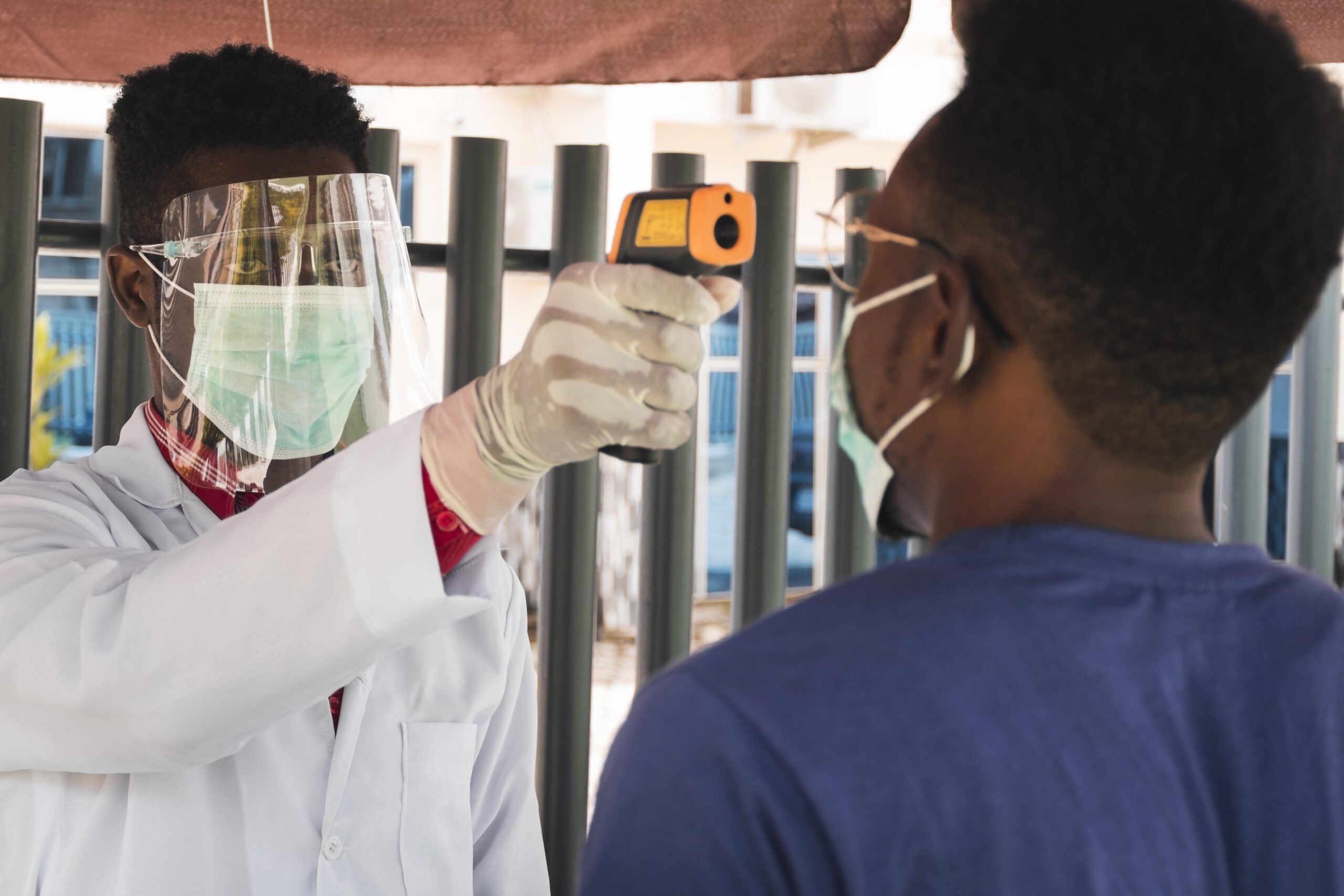
Health officers conduct body temperature checks and physical assessments at all points of entry, including airports, land border posts, and seaports. Anyone exhibiting compatible symptoms is managed in accordance with national clinical isolation procedures.
Automated 21-Day High-Risk Tracking
Travellers identified as high-risk undergo mandatory 21-day health tracking via automated messages or direct health communication. Travellers must respond to these check-ins, even if they leave Tanzania during the 21-day window.
Infection Prevention and Decontamination
Transport operators and travellers must maintain strict hand hygiene and avoid unnecessary physical contact. Any vehicle, vessel, cargo, or human remains suspected of Ebola contamination must undergo immediate point-of-entry decontamination.
- Comprehensive Health System Preparedness
Beyond entry points, the Tanzanian Ministry of Health has strengthened internal clinical readiness:
Updated Filovirus Guidelines: Building on updated national guidelines for managing filoviruses (Ebola and Marburg) finalised with the WHO, Tanzania has standardised clinical care, infection prevention, and health worker protection protocols across facilities.
Facility Readiness: The government has deployed treatment centres, diagnostic testing capacity, personal protective equipment (PPE) reserves, and specialised clinical supplies to high-risk border regions.
Public Reporting Systems: Members of the public or travellers showing compatible symptoms are advised to self-isolate and notify health authorities immediately via the toll-free helpline (199) or by email (poe@afya.go.tz).
- Biological Science: Why Targeted Screening Works
Understanding the transmission dynamics of the Bundibugyo ebolavirus explains why targeted screening and contact tracing are effective containment measures:
Ebola is NOT Airborne: Unlike COVID-19 or influenza, Ebola cannot spread via airborne droplets, casual breathing, or routine building ventilation systems.
Asymptomatic Individuals Do NOT Transmit: An infected person in the incubation period (which lasts 2 to 21 days) has a low viral load, shows no symptoms or fever, and cannot infect others.
Transmission Dynamics: Spread occurs exclusively through direct contact with the blood or infectious bodily fluids (saliva, sweat, vomit, urine, faeces, or semen) of a visibly symptomatic patient or a deceased individual.
Because transmission requires direct contact with symptomatic individuals, combining thermal screening at points of entry with 21-day automated follow-ups creates a robust safety net that detects potential chains of infection early.
- Practical Guidelines for Travellers, Commerce, and the Public
Tanzania’s public health strategy ensures that everyday business, tourism, and cross-border commerce continue safely:
International Travellers: Must complete the online health surveillance form before arriving for port health clearance, keep the QR code ready, and respond promptly to automated health check messages during your stay.
Citizens & Community Members: Must maintain routine hand hygiene with soap and clean water or alcohol-based sanitisers. They should also rely on official announcements from the Ministry of Health rather than unverified social media rumours.
Healthcare Personnel: Must maintain a high index of suspicion during patient intake, enforce standard infection control measures, and immediately isolate any patient presenting with compatible symptoms after recent travel.
Through clear public guidance, rigorous border screening, and evidence-based health policies, Tanzania demonstrates that regional health security can be maintained without causing public panic or economic disruption.