


Turning Textile Waste into Opportunity: Tanzania’s Circular Economy Journey
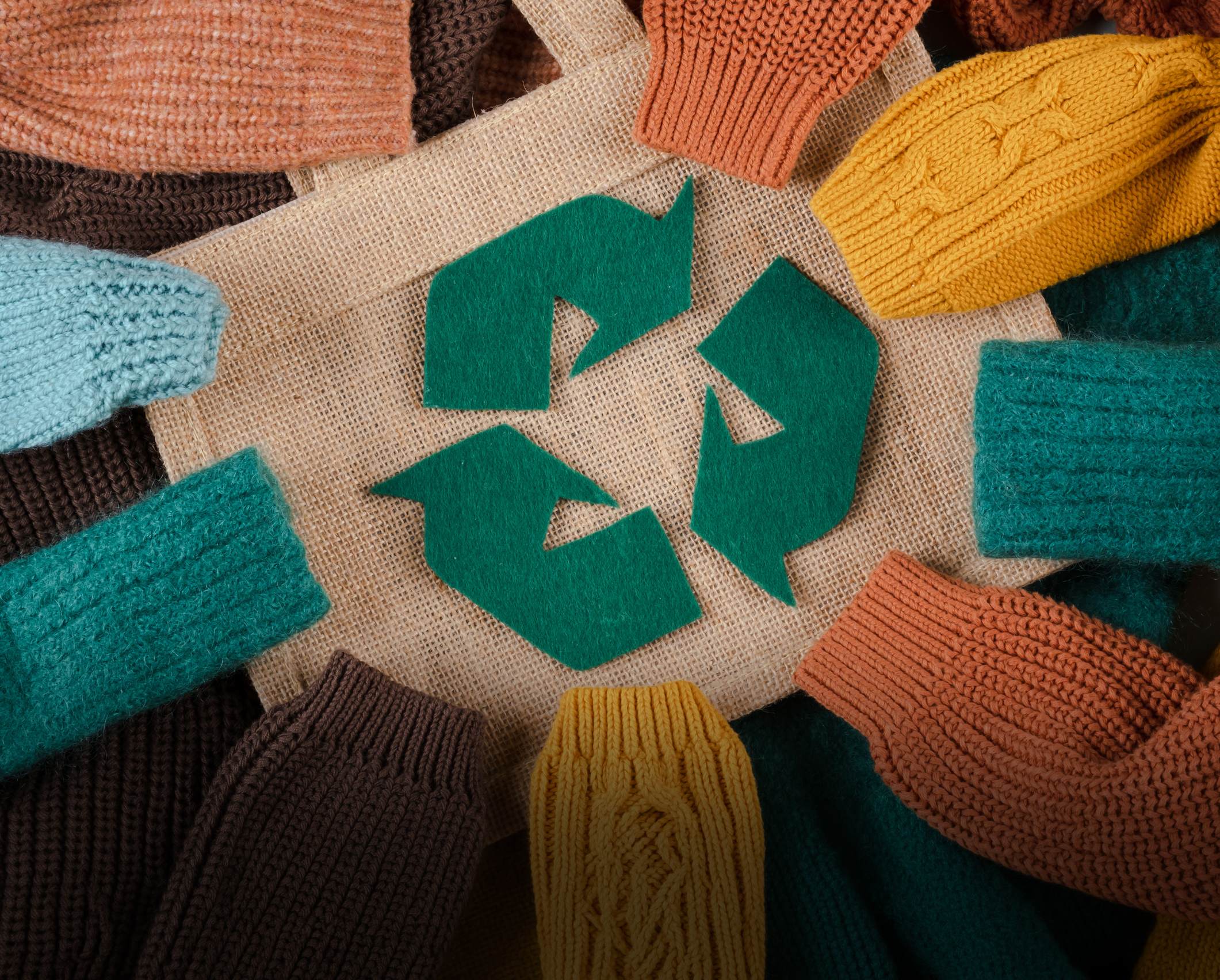
For many Tanzanians, the life of a piece of clothing seems straightforward: buy it, wear it, donate or resell it, and eventually discard it. Behind this familiar cycle lies a growing environmental and economic question: what happens to a shirt when it is no longer wanted, a pair of shoes when they are worn out, or a corporate uniform when it is replaced?
In Tanzania, textile waste is increasingly part of the wider conversation on waste management and the circular economy. The country has a significant second-hand clothing market, commonly known as mitumba, alongside a domestic textile and apparel sector. Businesses, households, hotels, schools, retailers, manufacturers, and events also generate textiles that eventually reach the end of their useful lives.
The challenge is that textiles carry an environmental footprint long before they are discarded. Their production requires raw materials, water, energy, chemicals, manufacturing, and transport. Globally, the textile industry places significant pressure on natural resources and contributes to greenhouse gas emissions. This makes the way clothing and other textile products are produced, consumed, and discarded an important sustainability issue.
The traditional model is largely linear, with resources extracted, products manufactured, consumers using them, and them eventually discarded. A circular economy offers a different approach by keeping products and materials in use for as long as possible through reuse, repair, refurbishment, repurposing, and recycling.
For Tanzania, this shift is particularly relevant. The country’s established mitumba market already demonstrates that clothing can have multiple lives. The next opportunity is to build stronger systems around what happens when garments are no longer suitable for resale or personal use.
A circular approach shifts the question from where we throw this to what value we can recover from it. Usable clothing can be donated or resold; damaged garments can be repaired or transformed into new products, while textile fibres and offcuts can potentially become inputs for other applications.
This shift also presents an economic opportunity. Collection, sorting, repair, resale, upcycling, recycling and sustainable design can form part of a broader circular textile value chain. These activities can create opportunities for entrepreneurs, artisans, designers, waste collectors, manufacturers, recyclers, technology providers and social enterprises.
Tanzania’s second-hand clothing economy provides an important foundation for this transition. However, the circular economy conversation needs to extend beyond whether clothing is new or second-hand. It should also consider what happens when a garment reaches the end of its useful life and whether its materials can be recovered and reused.
Textile waste can come from employee uniforms, branded merchandise, promotional clothing, hotel linen, curtains, workwear, damaged stock and event materials. Rather than treating these materials as ordinary waste, companies can establish structured collection and recovery systems.
Such initiatives can turn sustainability from a corporate statement into something employees and communities actively participate in. A workplace textile collection programme, for example, can redirect unwanted clothing and workwear towards reuse, upcycling or recycling while supporting local circular businesses.
Tanzania’s environmental framework is increasingly recognising the importance of producer responsibility and improved waste management. Developing an Extended Producer Responsibility framework could further strengthen accountability for products throughout their lifecycle. The opportunity is to move from simply managing waste to preventing it and recovering value.