


Tanzania and Mozambique Solidify Strategic Partnership Ahead of 50th International Trade Fair
On 3 July 2026, Tanzanian President Samia Suluhu Hassan welcomed Mozambican President Daniel Francisco Chapo to State House in Dar
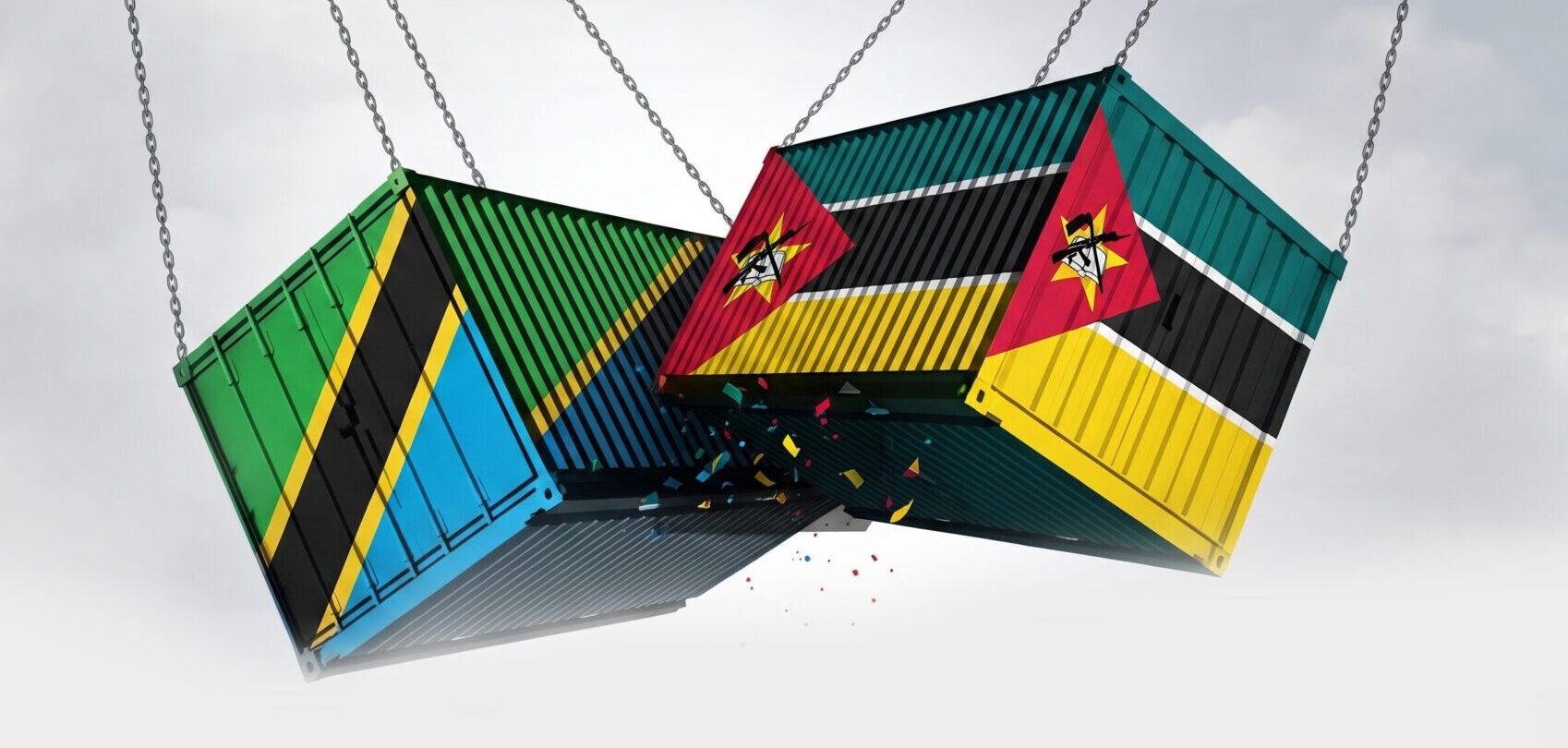
On 3 July 2026, Tanzanian President Samia Suluhu Hassan welcomed Mozambican President Daniel Francisco Chapo to State House in Dar es Salaam for bilateral talks. The talks took place on the eve of the 50th edition of the Dar es Salaam International Trade Fair (DITF), popularly known as Sabasaba. The three-day working visit, from 2 to 4 July 2026, signals a renewed commitment by both governments to deepen cooperation in trade, investment, and regional development. The timing is anchored in a milestone trade fair and complemented by a courtesy call on Maria Nyerere, the widow of Tanzania’s founding father Julius Nyerere. It emphasises the symbolism both countries attach to their partnership.
History of the Partnership
The relationship between Tanzania and Mozambique predates the independence of both nations. In the early 1960s, Tanganyika’s ruling party, the Tanganyika African National Union (TANU), under Julius Nyerere, hosted and supported liberation movements across southern Africa, including the Frente de Libertação de Moçambique (FRELIMO). Eduardo Mondlane, FRELIMO’s founding president, was based in Dar es Salaam, which became a strategic hub for coordinating the Mozambican struggle for independence.
When Mozambique gained independence on 25 June 1975, the two countries signed early cooperation agreements, and diplomatic ties established then have endured without interruption. Both remain long-standing members of the Southern African Development Community (SADC), where they regularly align positions on regional integration, peace and security, and infrastructure development. Their shared border has further made cross-border cooperation a practical and diplomatic necessity.
Significance of the 50th DITF
The DITF traces its origins to the early post-independence period, when Tanzania used trade fairs to promote national production, attract foreign capital, and showcase industrial progress. Reaching its 50th edition marks a significant milestone.
Over time, the fair has evolved from a domestic trade event into a regional platform attracting exhibitors, investors, and policymakers from across the East African Community, SADC, and the wider continent. Holding the bilateral meeting on the eve of the meeting allows the two presidents to jointly officiate the opening, signalling that their partnership carries both economic substance and political weight.
Trade, Investment and Industrial Cooperation
Trade and investment remain central pillars of the two countries’ relationship. In recent years, both countries have fast-tracked discussions on transport corridors, such as the Mtwara Development Corridor and the Rovuma Basin link, to facilitate resource transport and generate shared revenue.
Coordinated infrastructure development, including roads, rail, ports, and cross-border energy transmission, is widely seen as essential to converting natural resource endowments into shared prosperity. Industrial cooperation, agriculture, fisheries, and tourism also feature prominently on the bilateral agenda.
Tanzania exports cement, manufactured goods, and agricultural produce to northern Mozambique, while Mozambique supplies electricity, natural gas, and selected minerals to Tanzania. The leaders’ discussions are expected to identify additional areas to expand trade and strengthen private-sector engagement.
Regional Development and Shared Security
Beyond trade, the two presidents reviewed cooperation on regional development, with particular attention to stability in Mozambique’s Cabo Delgado region, which has faced an insurgency since 2017. Border management, security information sharing, and joint development initiatives remain central to their partnership.
The 50th DITF, with its focus on industrial development and innovation, provides a fitting backdrop for new announcements in this area. By treating trade, infrastructure, and security as an integrated agenda, both governments recognise that the prosperity of one depends on the stability and growth of the other.
Mozambique Embassy in Dar es Salaam
President Chapo’s itinerary also includes laying the foundation stone for a new Mozambican embassy in Dar es Salaam. The new chancery reflects the practical expansion of diplomatic representation and serves as a tangible symbol of the partnership’s long-term trajectory.
A courtesy visit to Maria Nyerere further connects the present relationship to its liberation-era foundations, underscoring that today’s cooperation rests on solidarity forged decades ago.
Conclusion
The bilateral meeting between President Suluhu and President Chapo, held alongside the 50th DITF, is more than a ceremonial engagement. It reaffirms a relationship that has evolved from shared liberation struggles into a multidimensional partnership spanning trade, energy, infrastructure, security, and cultural exchange.
By jointly marking this milestone trade fair and advancing new diplomatic infrastructure, both countries signal solidarity, mutual interest, and a shared vision for the southern African region.