


iTrust Opens Tanzania’s Investment Market to African Opportunities
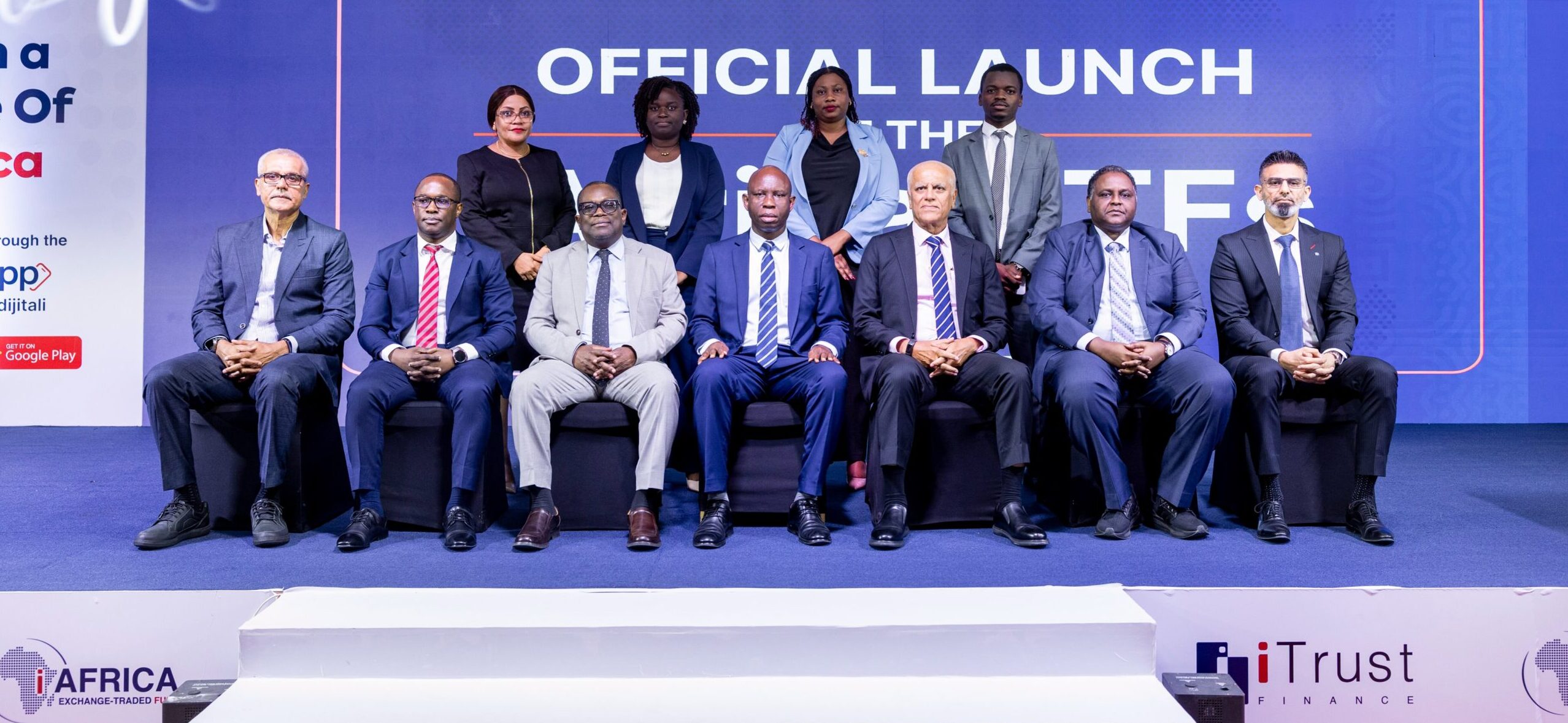
Buying shares in a bank in another African country or investing in the continent’s growing technology industry has not always been straightforward for ordinary Tanzanians. Finding the right company, accessing foreign stock markets, and managing risk can be costly and complex. A new investment offering from iTrust Finance Limited aims to simplify that process.
The company has launched three pan-African exchange-traded funds (ETFs), opening a TZS30 billion investment window that will allow Tanzanians to invest in financial services, mining, energy and technology companies across African markets.
The public offer opened on 26 October 2026 and will run until 27 November 2026, with each fund targeting TZS10 billion. Investors can participate with as little as TZS100,000 per fund, potentially making regional investment opportunities accessible to more individuals.
Investing Beyond Tanzania’s Borders
The three funds focus on sectors shaping Africa’s economic development.
The iAfrica Financials ETF will target banks, insurers, asset managers and financial technology firms. The iAfrica Mining & Energy ETF will focus on companies involved in mining, oil and gas, electricity and renewable energy. At the same time, the iAfrica Telco & Tech ETF will provide exposure to telecommunications, digital platforms and technology infrastructure.
Instead of selecting and buying shares in individual companies, investors will buy units in funds that hold portfolios of African-listed businesses. This approach lets investors spread their money across several companies in a chosen sector, potentially reducing their dependence on a single business’s performance.
For investors who have traditionally relied on local shares, bank deposits or other familiar savings products, the funds offer another way to participate in Africa’s economic activity.
How the Investment Will Work
Each ETF is offering units at TZS1,000, with a minimum purchase of 100 units. Investors can subscribe electronically through the iTrust application, reducing the need to visit financial institutions in person.
After the subscription period, the offer results are expected on 28 December 2026, and the funds are scheduled to begin trading on the Dar es Salaam Stock Exchange (DSE) on 14 January 2027.
Once listed, investors will be able to buy and sell units on the exchange, subject to market demand and available liquidity. The funds will reinvest dividends received from their underlying investments, so any income generated contributes to portfolio growth rather than being paid directly to investors.
iTrust Finance will manage the funds, while NBC Bank Limited will act as trustee and custodian. The Capital Markets and Securities Authority approved the offer documents and trust deeds on 5 October 2026, thereby providing the regulatory basis for the public offering.
An Opportunity with Risks
The launch comes as Tanzania seeks to deepen its capital markets and encourage more people to invest beyond traditional savings products. ETFs could broaden participation by pooling investors’ money and making diversified portfolios accessible without large individual investments.
However, the opportunity comes with risks. The value of the funds will fluctuate depending on the performance of underlying companies, sector developments, exchange rates and broader market conditions.
Investing across African markets also exposes investors to different regulatory environments and economic conditions. For example, a downturn in commodity prices could affect mining and energy holdings, while interest rate changes could influence financial-sector performance. Diversification can help manage some risks, but it does not guarantee returns or protect investors from losses.
Opening a Wider Investment Market
The launch’s significance goes beyond the TZS 30 billion fundraising target. The funds could strengthen the DSE’s role in connecting domestic savings with investment opportunities across Africa, while giving investors greater choice in how they build and diversify their portfolios.
Their success will depend on investor confidence, transparent management, reasonable costs and the performance of the underlying investments. For someone putting aside TZS100,000, the attraction is the chance to invest in businesses operating across Africa without navigating several foreign stock markets.
Whether that opportunity translates into long-term returns remains to be seen, but it marks another step towards making regional investment more accessible to Tanzanians.