


Guardians of the Tide: How High-Integrity Blue Carbon Is Reclaiming Tanzania’s Coastline
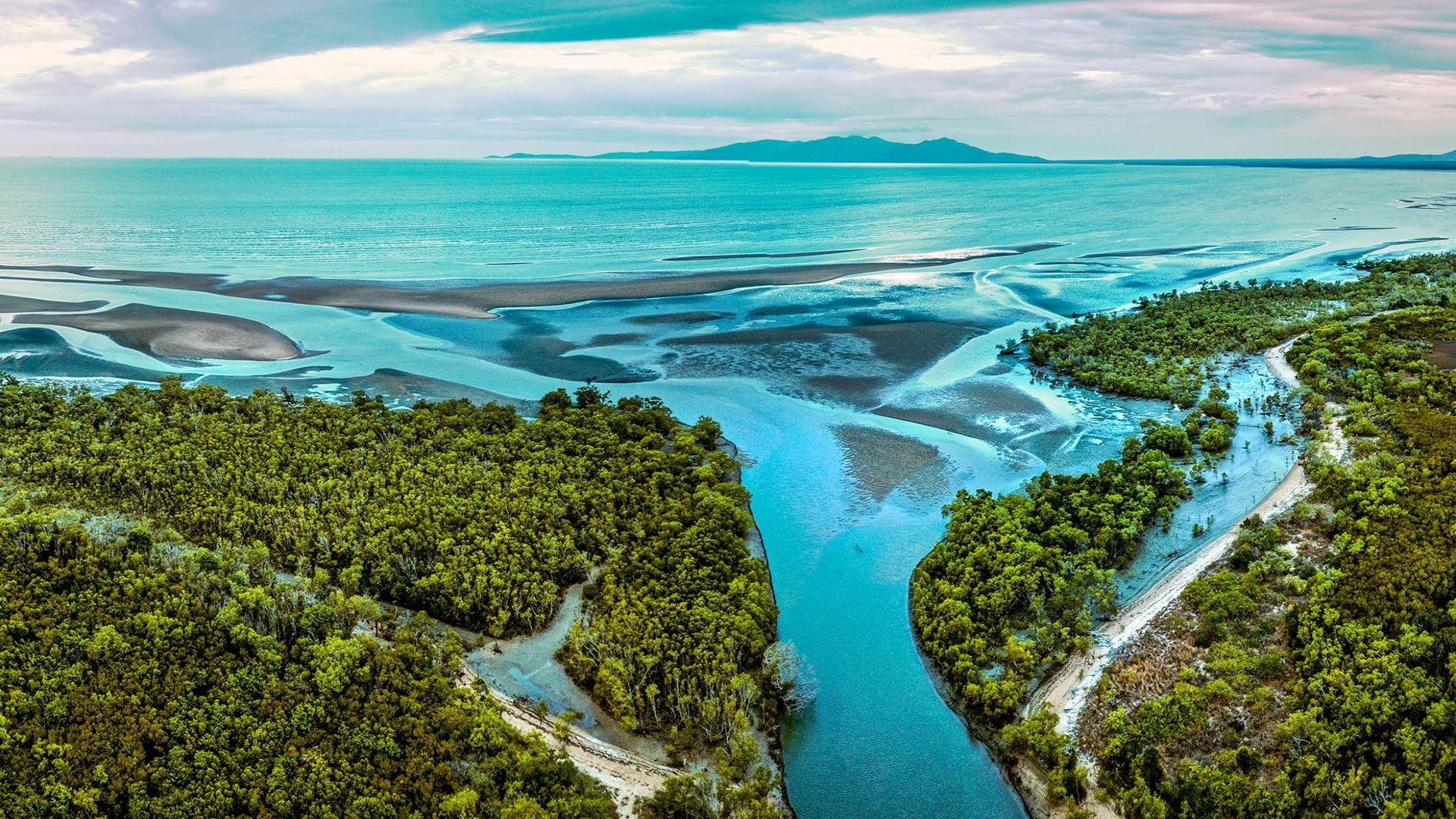
Along Tanzania’s coastline, the ocean is integral to everyday life. For generations, coastal communities have relied on it for food, income and livelihoods. Fishing boats come and go with the tides, seaweed farmers work in shallow waters, and families living near mangrove forests depend on the resources around them.
Along the muddy edges of creeks and tidal channels, mangroves quietly capture and store carbon in their roots, vegetation and soils. Beneath shallow coastal waters, seagrass meadows do much the same, while providing shelter for marine life. These ecosystems are now attracting increasing attention as part of the global response to climate change.
The opportunity is about more than selling carbon credits. It is about finding a way to protect coastal ecosystems while creating tangible benefits for the communities that have depended on them for generations.
The Carbon Beneath the Tide
Blue carbon refers to carbon captured and stored by coastal and marine ecosystems, particularly mangroves and seagrass meadows. These ecosystems are especially valuable because carbon is stored not only in the plants themselves but also in the soils and sediments beneath them.
Mangroves, for example, are much more than trees growing in salty water. Their tangled roots help hold sediment in place, reduce wave force, provide nursery grounds for fish and other marine species, and contribute to the stability of coastal environments. Tanzania’s marine authorities recognise these wider ecological functions, including the role mangroves play in reducing coastal erosion, supporting marine biodiversity, and providing habitats for commercially important species.
When a mangrove forest is lost, the impact goes far beyond the disappearance of trees. Communities can lose natural protection against coastal erosion, fish habitats can be affected, and carbon stored in coastal soils can be released.
This is why blue carbon is attracting interest. It offers the possibility of assigning an economic value to some of the climate services these ecosystems already provide and using that value to help finance their protection.
From the Rufiji Delta to Bagamoyo, Tanga, Mtwara and the islands of Zanzibar, coastal communities have developed livelihoods around the sea and its ecosystems. Mangroves provide resources, while healthy marine habitats support fisheries and other economic activities.
It is not enough to tell people to stop using a resource that supports their livelihoods. For conservation to endure, communities need to see how protecting the ecosystem can also support their future.
Organisations working on blue carbon in Tanzania are exploring models that integrate mangrove restoration and seagrass conservation with community participation, alternative livelihoods and potential carbon revenues. The aim is to embed conservation in the local economy rather than impose it from outside.
A high-integrity project requires credible information on how much carbon is stored, what would have happened without the project, and whether the claimed climate benefit is likely to persist. It must also account for risks such as erosion, shifting coastlines and climate impacts.
Community Benefits
It could mean better opportunities to earn an income without further pressuring the mangrove. It could mean stronger fisheries because marine habitats are healthier. It could mean restoration work, community conservation activities, or investment in local priorities.
Research with coastal communities in parts of Tanzania, including the Rufiji Delta, Kigamboni, Kinondoni and Bagamoyo, has found strong interest in participating in mangrove conservation through blue-carbon initiatives. The research also highlights the benefits communities associate with mangroves, from food and livelihoods to coastal protection and cultural value.
The relationship between restoration and livelihoods is particularly evident in Zanzibar, where mangrove conservation is increasingly linked to community resilience. Projects around areas such as Chwaka Bay and Menai Bay are exploring ways to restore mangroves while creating opportunities for communities to diversify their livelihoods and reduce pressure on coastal ecosystems.
Environmental degradation often has an economic story behind it. People use natural resources because they need food, income, energy or materials.
This could include alternative livelihoods, sustainable resource use, conservation employment, ecotourism or other income-generating activities that allow communities to benefit as the ecosystem recovers.
Building a Carbon Market Around the Opportunity
Government institutions have been working to strengthen the systems for registering, monitoring and overseeing carbon projects. In 2026, the Vice President’s Office highlighted several carbon projects involving mangroves and seagrasses along the Tanzanian coast, including those in Mkinga, Mkuranga, Tanga City and Pangani.
Spearheaded by the Vice President’s Office and managed by the National Environment Management Council (NEMC), the framework establishes clear regulatory oversight, a national registry, and strict monitoring, reporting and verification (MRV) systems to prevent double-counting under Article 6 of the Paris Agreement and to ensure that global credit buyers invest with confidence. Simultaneously, the framework integrates local communities into project governance, guaranteeing transparent revenue sharing and protecting traditional coastal livelihoods, thereby making mangrove and seagrass conservation a dual driver of climate resilience and sustainable local economic development.