


CCM Resets Its Leadership as Tanzania Enters a New Political Phase
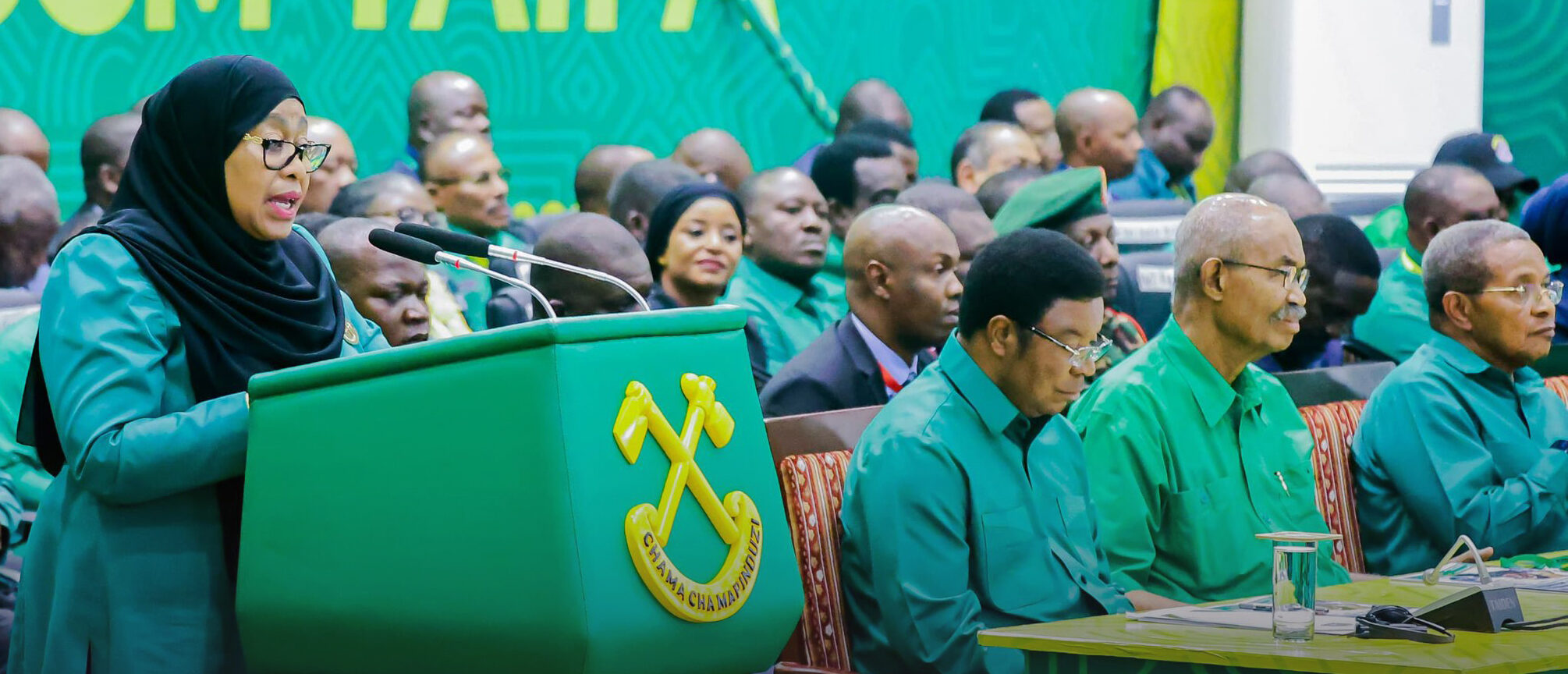
Tanzania’s ruling party, Chama Cha Mapinduzi (CCM), has expelled Vice President Dr. Emmanuel Nchimbi and endorsed Energy Minister Deogratius Ndejembi as its nominee for the role. The leadership change in the ruling party comes just one year after Tanzania’s November 2025 General Election, in which Nchimbi served as President Samia Suluhu Hassan’s running mate and was sworn in as Vice President on 3 November 2025.
The decision was made during an emergency meeting of CCM’s Central Committee and National Executive Committee on 26 August 2026, the day after Nchimbi announced his resignation from the vice presidency, public service and active politics, effective 4 September 2026. President Samia accepted the resignation, triggering the constitutional process for appointing a new Vice President.
CCM Secretary General Dr. Asha-Rose Migiro stated that party organs had found Nchimbi in breach of the party’s constitution and regulations, resulting in a unanimous decision to expel him from CCM. The decision brought an abrupt end to Nchimbi’s formal association with the ruling party, where he had previously served as Secretary General before becoming Vice President.
In his resignation statement, Nchimbi said he had decided to step down after concluding that President Samia wanted a new Vice President. His resignation, followed almost immediately by his expulsion from CCM, has attracted significant interest because of the rapid pace of events and the limited public information about what led to his departure.
To fill the vacancy, CCM unanimously endorsed Ndejembi, the current Member of Parliament for Chamwino, as its nominee for Vice President. However, under Tanzania’s Constitution, Parliament must approve the nomination before he can be sworn in.
President Samia Moves to Reshape Regional Leadership
A day after CCM nominated Ndejembi for the vice-presidency, President Samia announced a major reshuffle of regional leadership, appointing four new Regional Commissioners and transferring six others across the country.
Among the most notable appointments were former Misungwi MP Alexander Mnyeti, named Geita Regional Commissioner, and former Maswa East MP Stanislaus Nyongo, appointed Regional Commissioner for Pwani. Both politicians had lost CCM nominations ahead of the 2025 General Election and will now return to public service in senior administrative roles.
The reshuffle also saw the Commissioner of Police (CP) Salum Rashid Hamduni appointed Regional Commissioner for Mwanza, and former Deputy Minister Jumanne Abdallah Sagini appointed Regional Commissioner for Mbeya. Several serving Regional Commissioners were reassigned to new regions, affecting Manyara, Simiyu, Songwe, Tabora, Lindi and Morogoro.
Taken together, the vice-presidential transition and regional appointments mark one of the most significant leadership changes since President Samia began her current term after the 2025 General Election.
What This Means for Tanzania
Major developments within Tanzania’s ruling party point to broader consolidation and realignment of political and administrative leadership across Tanzania’s governing structures. The rapid replacement of a sitting Vice President, together with extensive changes at the regional level, signals President Samia’s effort to strengthen alignment between CCM’s political leadership and the government’s implementation machinery.
Regional Commissioners play a critical role in coordinating national government programmes, overseeing service delivery and implementing presidential priorities at the local level. Changes to these positions can therefore directly affect policy implementation, development projects and government responsiveness across the country.
Appointing former legislators and experienced government officials to regional leadership positions also signals a preference for politically experienced administrators familiar with both government operations and CCM’s policy agenda. This could enhance coordination between the ruling party and state institutions as the administration pursues its economic, governance and development objectives.
Key Issues to Watch
The immediate focus will now shift to Parliament’s consideration of Ndejembi’s nomination. If approved, Tanzania will have a new Vice President less than a year into the current administration, marking a rare leadership transition at the highest level of government.
Beyond the constitutional process, attention will likely remain on the circumstances surrounding Nchimbi’s departure and the wider implications of the leadership changes for CCM’s internal dynamics. The simultaneous changes at both the national and regional levels underscore President Samia’s continued efforts to shape a leadership team aligned with her administration’s policy priorities and governance agenda.