Profile
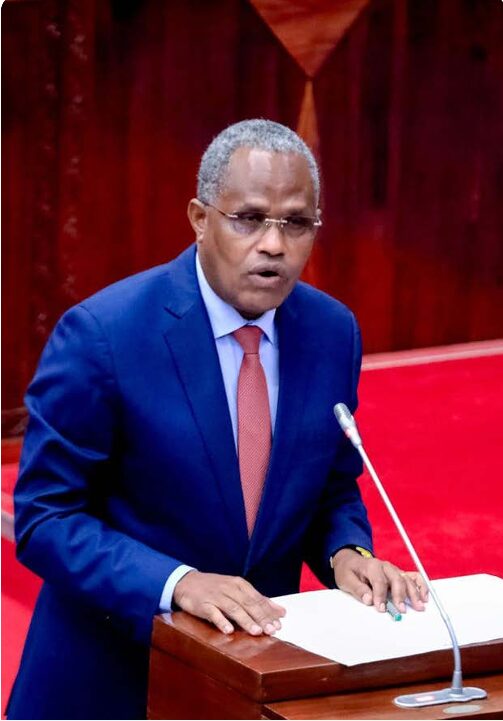
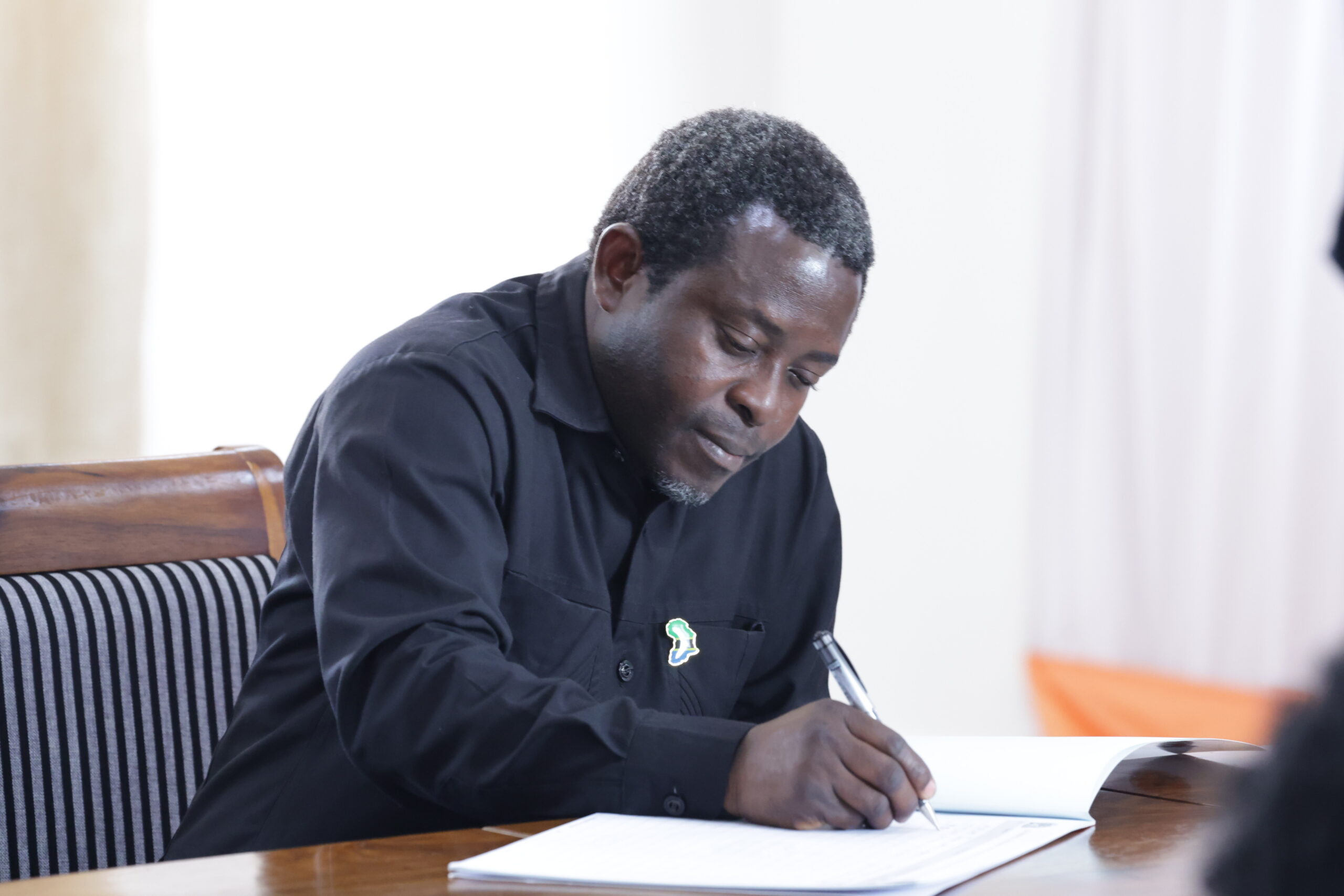
Lawyer and Former Chief Justice Mohammed Chande Othman
Mohammed Chande Othman, the retired Chief Justice of Tanzania, was appointed to lead the Independent Commission of Inquiry on 18 November 2025. The commission is tasked with investigating violence that occurred during and after Tanzania’s 29 October 2025 general elections.
Speaking on 1 December 2025, he announced that the nine-member commission has been assigned six specific tasks related to investigating the incidents. Justice Othman urged Tanzanians not to judge the commission before it begins its work, stating that the public should allow the team to “sit for its exam” before passing judgment. He emphasised that the commission will conduct a thorough and independent inquiry, declaring they will “leave no stone unturned.”
The commission has 90 days to complete its investigation. Its mandate includes identifying the root causes of the violence, examining the intentions of those involved, assessing the impact, including deaths and property destruction, reviewing government responses, and recommending measures to strengthen accountability and national reconciliation. However, the commission has faced criticism from opposition parties who argue that it lacks independence because it is entirely composed of former government officials.
On 21 December 2022, Othman was appointed Chairperson of the Commission of Human Rights Experts on Ethiopia, following the resignation of the previous chairperson. The commission was created to investigate alleged human rights violations and abuses in Ethiopia committed since 3 November 2020 by all parties to the conflict. The commission’s mandate ended in October 2023 after the Human Rights Council declined to renew it.
From 2019 to 2020, Othman served as one of nine members of the Independent Expert Review Group appointed by the Assembly of States Parties of the Rome Statute. The group was tasked with reviewing the performance, efficiency and effectiveness of the International Criminal Court and the broader Rome Statute system.
In 2015, UN Secretary-General Ban Ki-moon appointed him as Chairperson of the Independent Panel of Experts on the Dag Hammarskjöld Investigations. He was subsequently appointed in 2017 by UN Secretary-General António Guterres as an Eminent Person to examine new information relating to the tragic death of the second UN Secretary-General, Dag Hammarskjöld, who died on 17–18 September 1961. He served as a member of the UN Human Rights Council’s High-Level Commission of Inquiry into the Situation in Lebanon following the 2006 Israel-Lebanon Armed Conflict. From 2009 to 2010, he was the UN Human Rights Council’s Independent Expert on the human rights situation in Sudan.
The lawyer served as Chief Justice of Tanzania from 28 December 2010 to 18 January 2017. Prior to that, he was a High Court Judge from December 2003 to October 2004, and then an Appeal Court Judge from August 2004 to February 2008. He was the Chief Prosecutor of the International Criminal Tribunal for Rwanda from 1998 to 2000. Subsequently, he became the Prosecutor General of East Timor, serving from 2000 to 2001 during the UN transitional administration. He also worked as Senior Legal and Justice Reform Adviser for UNDP Cambodia. Othman has been serving on the Board of Trustees of Aga Khan University since 2017.
He is the Chancellor of Ardhi University in Tanzania and the Chairperson of the Council of Sokoine University of Agriculture and Applied Sciences. He also serves as an expert adviser for the Africa Group for Justice and Accountability. Othman has authored books and peer-reviewed articles on international humanitarian law, international criminal law, refugee law, criminal law and evidence, and peacekeeping.
One of his notable publications, “Accountability for International Humanitarian Law Violations: The Case of Rwanda and East Timor“, was published by Springer in 2005. Othman earned an LL.B (Honours) from the University of Dar es Salaam in 1974, followed by an M.A. in International Relations from Webster University in Geneva, Switzerland, in 1982. He also received a certificate from The Hague Academy of International Law in the Netherlands in 1983.
Born on 1 January 1952, he has a distinguished career that demonstrates extensive expertise in international law, human rights investigations, and criminal justice, establishing him as one of Africa’s most respected legal figures in international forums.