Profile
Camillus Mongoso Wambura, Inspector General of Police
Camillus Mongoso Wambura is currently serving as the 11th Inspector General of Police (IGP) for the Tanzania Police Force. He is guiding the Tanzania Police Force through a period of intense scrutiny, institutional reform, and heightened expectations as the country approaches its next electoral cycle. He is, by all accounts, a consummate insider who now occupies one of the most powerful and closely observed positions in Tanzanian public life. Appointed on 19 July 2022 by President Samia Suluhu Hassan, he succeeded Simon Sirro in this top leadership role. Wambura oversees the national police operations.
Little is known about his early life. No verified details exist regarding his date of birth, place of origin, or family background. What is clear is that he is a career police officer who has risen through the ranks over several decades, serving in various operational and administrative roles before reaching the pinnacle of the force. His lengthy service has provided him with deep institutional knowledge, and those who have worked with him often describe him as resolute, disciplined, and occasionally wryly humorous in private settings.
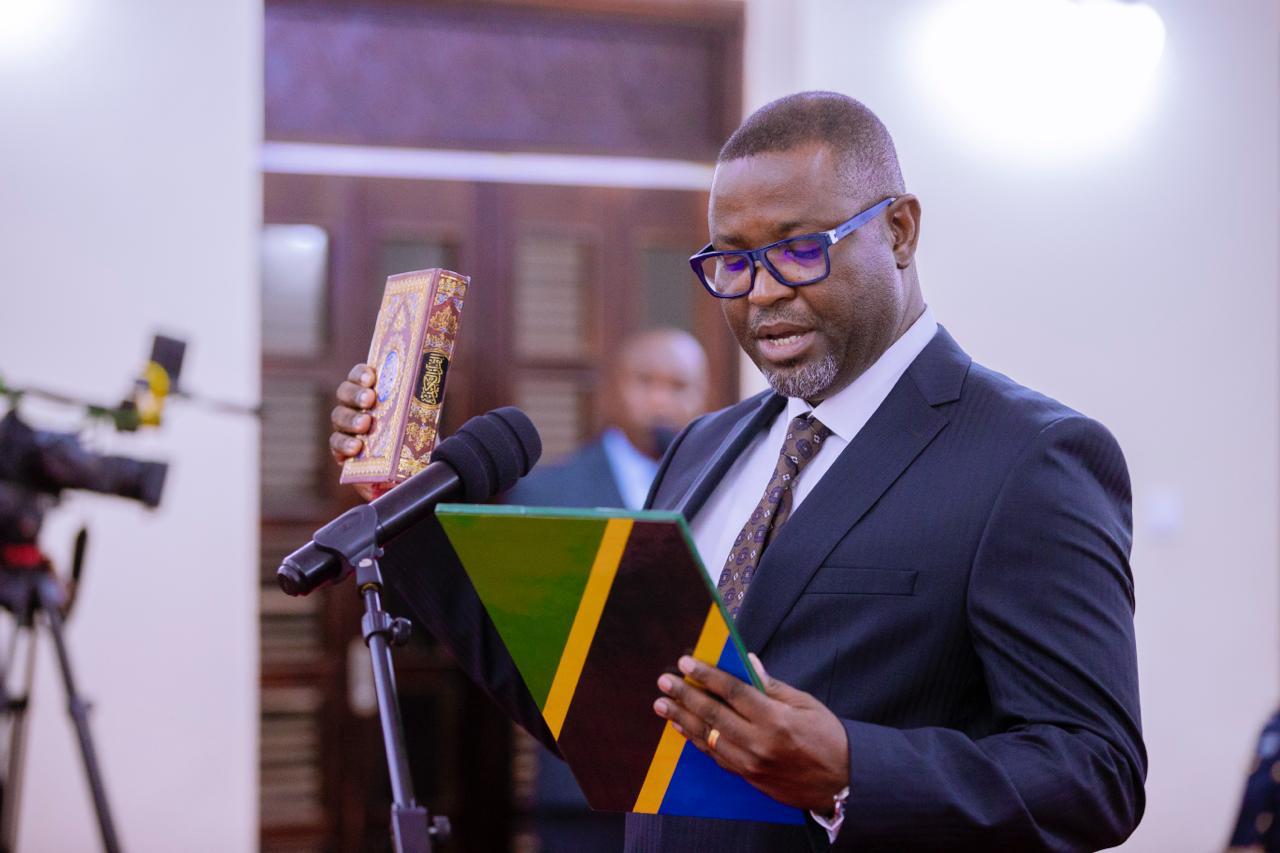
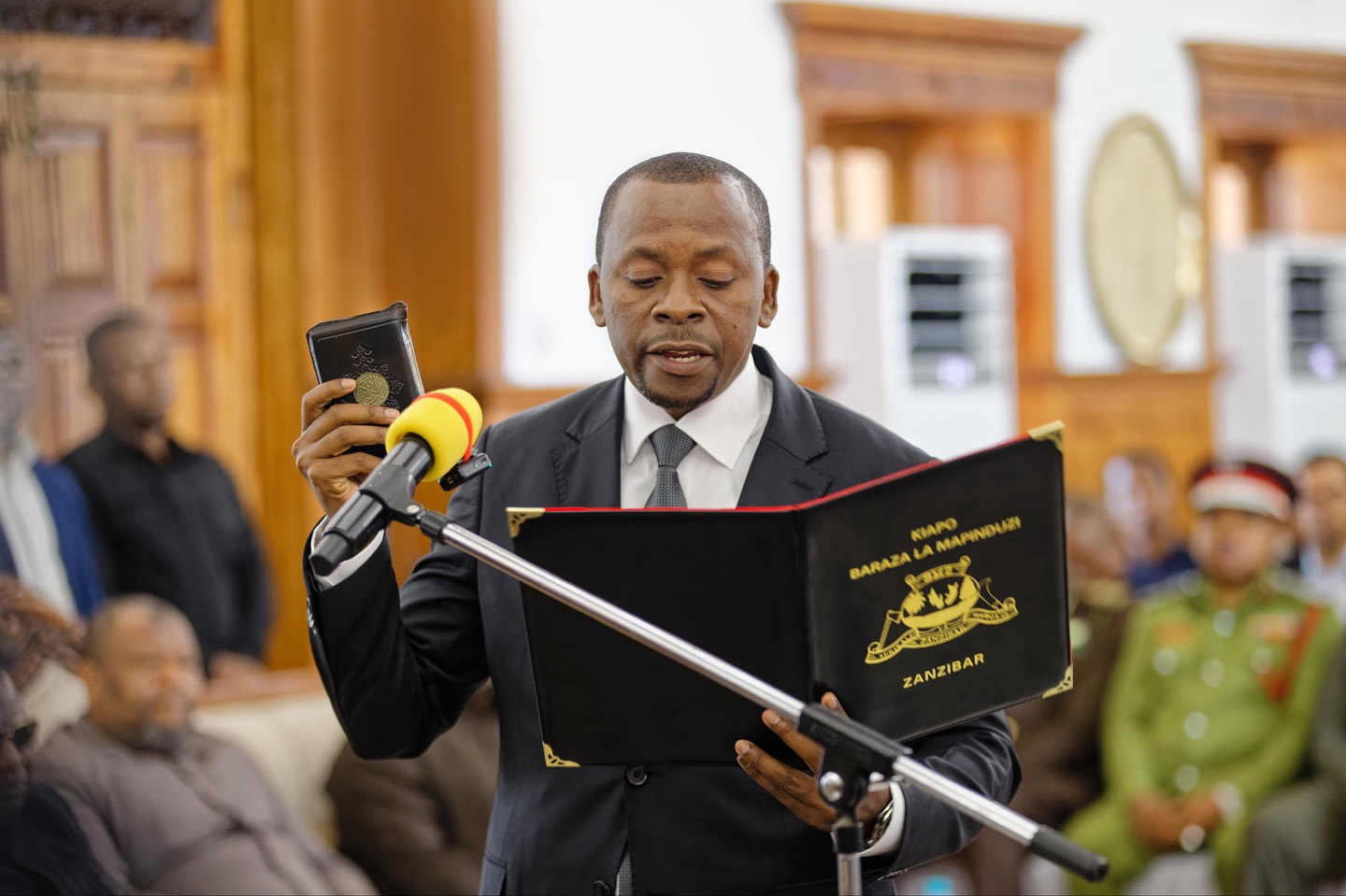
Since taking office, Wambura has maintained an obvious schedule of official duties. He has presided over numerous oath-taking ceremonies for newly promoted commissioners and inspectors, overseen large graduation parades of police recruits, and frequently met with regional and international counterparts. He has hosted the United Nations (UN) Police Adviser, engaged Omani security officials, and represented Tanzania at the African Union on gender, peacekeeping, and security-sector governance. Under his leadership, the force has emphasised training, discipline, and closer cooperation with bodies such as the Personal Data Protection Commission and the Hanns Seidel Foundation.
Yet his tenure has been marked by notable controversy. In May 2025, leaked CRDB Bank statements revealed a sudden deposit of TSh 68 million and a one-billion-shilling loan—followed almost immediately by a bond purchase of roughly the same amount—sparking a firestorm on social media and among civil-society activists. Many interpreted these transactions as unexplained wealth inconsistent with a civil servant’s salary, especially at a time when other high-level procurement scandals dominated headlines. Neither the Inspector General nor the government has provided a detailed public explanation, and no formal investigation has been announced.
Still in May, Wambura and the Minister of Information jointly announced a sweeping crackdown on social media users sharing content deemed critical of the President, especially material originating in Kenya. The campaign, involving the Tanzania Communications Regulatory Authority and swift police action, was widely condemned as an assault on freedom of expression and ultimately proved difficult to enforce across borders.
Earlier, in 2024, he faced intense criticism over a series of alleged abductions, including the long disappearance of Chadema member Kombo Mbwana. Human-rights organisations accused the police of acting outside the law, carrying out “ninja-style” arrests, and detaining suspects well beyond constitutional limits without bringing them before a court. Wambura publicly denied claims of police-led kidnappings, asserting that any procedural breaches were individual violations of Police General Orders, but these incidents seriously undermined public trust in some areas.
Despite these challenges, supporters highlight his efforts to professionalise the force, promote officers on merit, and uphold stability in a politically charged environment. His public appearances, whether offering Eid greetings, comforting families of fallen officers, or reaffirming the police motto of “Serve and Protect”, project an image of a leader trying to balance discipline with public service in a demanding role.