


Wages and Votes: The Politics of Tanzania’s Minimum Wage Raise
As Tanzania heads to the polls on Wednesday, October 29, the government has announced a 33.4% increase in the minimum
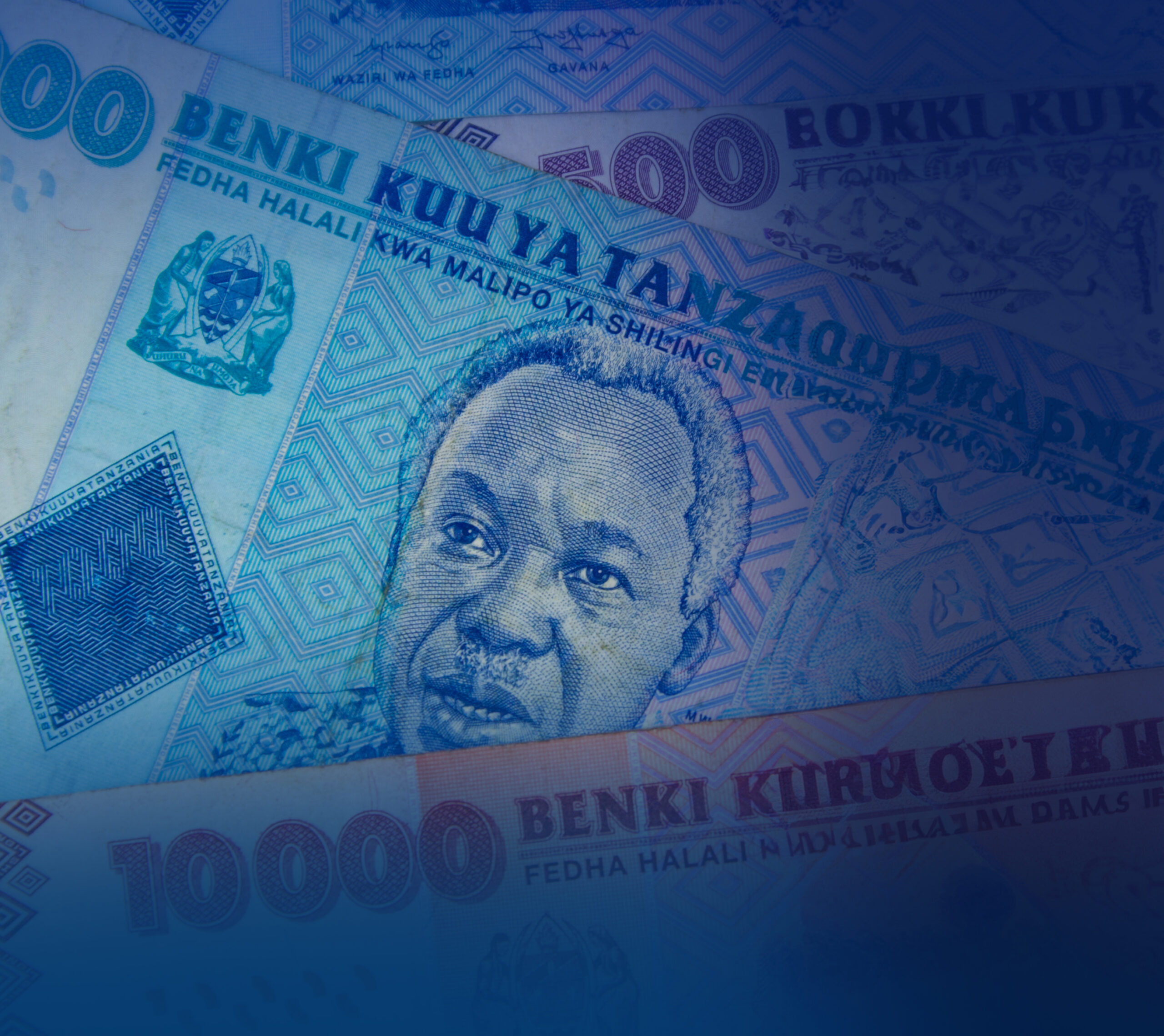
As Tanzania heads to the polls on Wednesday, October 29, the government has announced a 33.4% increase in the minimum wage for the private sector. The new framework, which takes effect on January 1, 2026, replaces the 2022 Minimum Wage Order and applies to all employees in the private sector. This follows an earlier directive in May this year, when President Samia Suluhu Hassan announced a historic 35.1% rise in the minimum wage for public servants.
It covers 16 industries, with the highest monthly minimum wage being in the energy sector, where employees working for international companies will earn a minimum of TSh 765,900 per month.
In contrast, the lowest monthly minimum wage applies to the domestic work or services sector, where domestic workers, those not falling under the specified categories within the order, will earn a minimum of TSh 80,000 per month.
The standard minimum wage for any other sector or area not explicitly mentioned in the new order is set at TSh 175,000.
| No. | Sector and Area | Specific Category | Monthly Minimum Wage (TSh) |
| 1. | Agricultural Sector | Crop or animal production | 175,000 |
| Forestry and deforestation | 185,000 | ||
| Fishing and fish farming | 300,000 | ||
| 2. | Health Sector | Hospitals | 250,000 |
| Health centres / polyclinics / pharmacies | 240,000 | ||
| Dispensaries | 230,000 | ||
| 3. | Communications Sector | Telecommunication services | 644,000 |
| Call centres | 380,000 | ||
| 4. | Domestic Work/Services | Employed by diplomats and major businessmen | 328,000 |
| Other domestic workers (not specified elsewhere) | 80,000 | ||
| 5. | Hotel and Hospitality | Five-star and four-star hotels | 375,000 |
| One-star, two-star hotels, Lodgings, bars, and restaurants | 195,000 | ||
| 7. | Energy Sector | International companies | 765,900 |
| Domestic companies | 297,000 | ||
| 10. | Mining Sector | Mining and prospecting minerals | 695,000 |
| Primary mining licence | 397,600 | ||
| 12. | Trade and Finance | Commercial banks | 733,000 |
| Micro credit financial services | 699,000 | ||
| 16. | Any other sector or area not specified in this Order | N/A | 175,000 |
The Effect of Minimum Wages on the Labour Market
In essence, the reform establishes a new legal floor for minimum amounts that employers must pay workers across sectors. These rates, contained in the Second Schedule, represent the least an employee can legally earn within their category. This, however, does not mean that employers cannot set more favourable terms.
In addition to wage adjustments, the Order has also expanded employee benefits. Workers will now be entitled to a leave travel allowance every two years, subsistence allowances when required to work away from their duty stations and extra negotiated allowances for specific roles such as truck drivers.
With the significant 33.4 per cent increase, private-sector employers must urgently review and adjust their payroll structures ahead of the effective date (1 January 2026). Failure to comply may expose employers to labour disputes, penalties and legal action under the new Wage Order.
 Minimum Wage Raises: A ‘Carrot’ Approach to Election Strategy
Beyond legal compliance and the need to cushion workers against rising living costs, the timing of the minimum wage increase could be politically motivated. This is despite President Hassan justifying the revisions by pointing to Tanzania’s 5 per cent+ economic growth, positioning the increase as a fair reflection of national progress.
The move also comes at a time when the incumbent government is facing criticism over opposition suppression, such as the detention of CHADEMA leader Tundu Lissu following his “No Reforms, No Elections” stance, and the legal challenges surrounding ACT-Wazalendo’s presidential candidate, Luhaga Mpina, close to the general elections.
In this context, raising the minimum wage can be seen as a populist and strategic political tool aimed at boosting worker morale, easing public frustration and increasing voter turnout as Tanzania approaches the general elections. The measure could deliver immediate and visible benefits to a large segment of the population, potentially shoring up support for the ruling party at a critical electoral juncture.
Nonetheless, Tanzania’s decision to raise the minimum wage ahead of elections mirrors a broader pattern seen in several countries where wage policies become part of a pre-election strategy.
In Kenya, for instance, the government increased the minimum wage by 12 per cent just months before the 2022 polls. Ghana took a similar approach ahead of its 2020 election, introducing wage adjustments and restoring cost-of-living allowances to ease frustration over economic stagnation. In South Africa, the ruling ANC has repeatedly linked wage reforms and expanded social grants to election periods.
Across India, wage guarantees and public-sector salary increases often intensify in the run-up to elections. These cases show a consistent political logic: wage increases offer a highly visible and immediate benefit to large voting blocs, particularly workers in urban and formal sectors. By tying wage policy to narratives of fairness, dignity, and economic progress, incumbents often seek to boost morale, soften dissatisfaction and strengthen their electoral standing as polling approaches.
While Tanzania’s minimum wage increase can be justified on economic grounds, whether this results in meaningful and sustained improvement in livelihoods will depend on consistent enforcement and broader economic stability, not merely the electoral cycle in which the reform is introduced.