


Sustainable Solutions: Tackling Period Poverty in Tanzania
In Tanzania, menstrual health is more than a private matter; it has become a serious public sustainability concern. Studies estimate
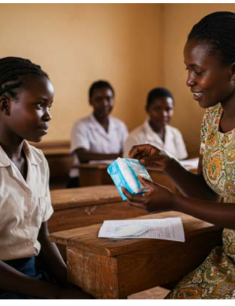
In Tanzania, menstrual health is more than a private matter; it has become a serious public sustainability concern. Studies estimate that up to 85% of girls in the country depend on unsafe methods to manage their periods, using scraps of cloth, old rags, or even paper because disposable sanitary products are costly and often hard to access. The effects go well beyond inconvenience: for many girls, this means missing an average of three to five days of school each month, accumulating to nearly two months of lost learning each year. This cycle of absenteeism erodes confidence, leads to higher dropout rates, and ultimately limits opportunities for girls to reach their full potential.
The issue is worsened by inadequate water, sanitation, and waste disposal facilities in schools and public areas. UNICEF reports that over 60% of school latrines in Tanzania lack bins for sanitary waste, forcing girls to either skip school or face humiliation and poor hygiene when managing their periods. At the same time, the country struggles with the environmental impact of disposable pads, with millions discarded each month, many made from non-biodegradable plastic that can take up to 500 years to decompose. The outcome is a dual challenge: a social equity crisis for girls and women, and an ecological strain on Tanzania’s waste management systems.
Introduce sustainable innovations like Mahina’s reusable panties, created by Natasha Jamal. These washable, durable panties are designed for wear, washing, and reuse, supporting hundreds of cycles. Unlike disposable pads that are discarded after a single use, one pair of reusable panties can last up to two years, significantly reducing both the monthly financial burden on families and the amount of menstrual waste entering landfills, rivers, and lakes.
The environmental impact is equally significant. Each reusable product used reduces plastic waste in the environment, eases pressure on delicate waste systems, and advances responsible consumption. By adopting such solutions, Tanzania not only tackles period poverty but also makes a concrete move towards achieving the United Nations Sustainable Development Goals (SDGs).
Encouragingly, grassroots initiatives are already spearheading this change. Along the shores of Lake Victoria, women’s groups are producing and distributing reusable pads and panties locally. These programmes do more than provide menstrual products; they create livelihoods. Women earn incomes through production, develop skills in tailoring and entrepreneurship, and act as ambassadors of dignity within their communities. It is a model that is homegrown, practical, and intensely sustainable. By embedding solutions within communities, it ensures both cultural acceptance and long-term scalability.
Tanzania’s journey towards sustainability must encompass menstrual health. This issue is not secondary; it is vital for creating a fairer, more resilient society. Period poverty prevents girls from attending school, women from accessing opportunities, and entire communities from advancing. By promoting reusable products, the country can address the problem at its source: ensuring girls remain in education, families save money, and waste is significantly minimised.
After all, sustainability is developed not only through large-scale projects, such as renewable energy or reforestation, but also through the small, everyday choices that enable people, especially girls, to thrive.