


From Arctic Frontiers to African Mines: The U.S. Quest for Rare Earths
As the U.S. negotiates with Denmark over Greenland to further enhance its security, the question of Greenland’s rare-earth element deposits
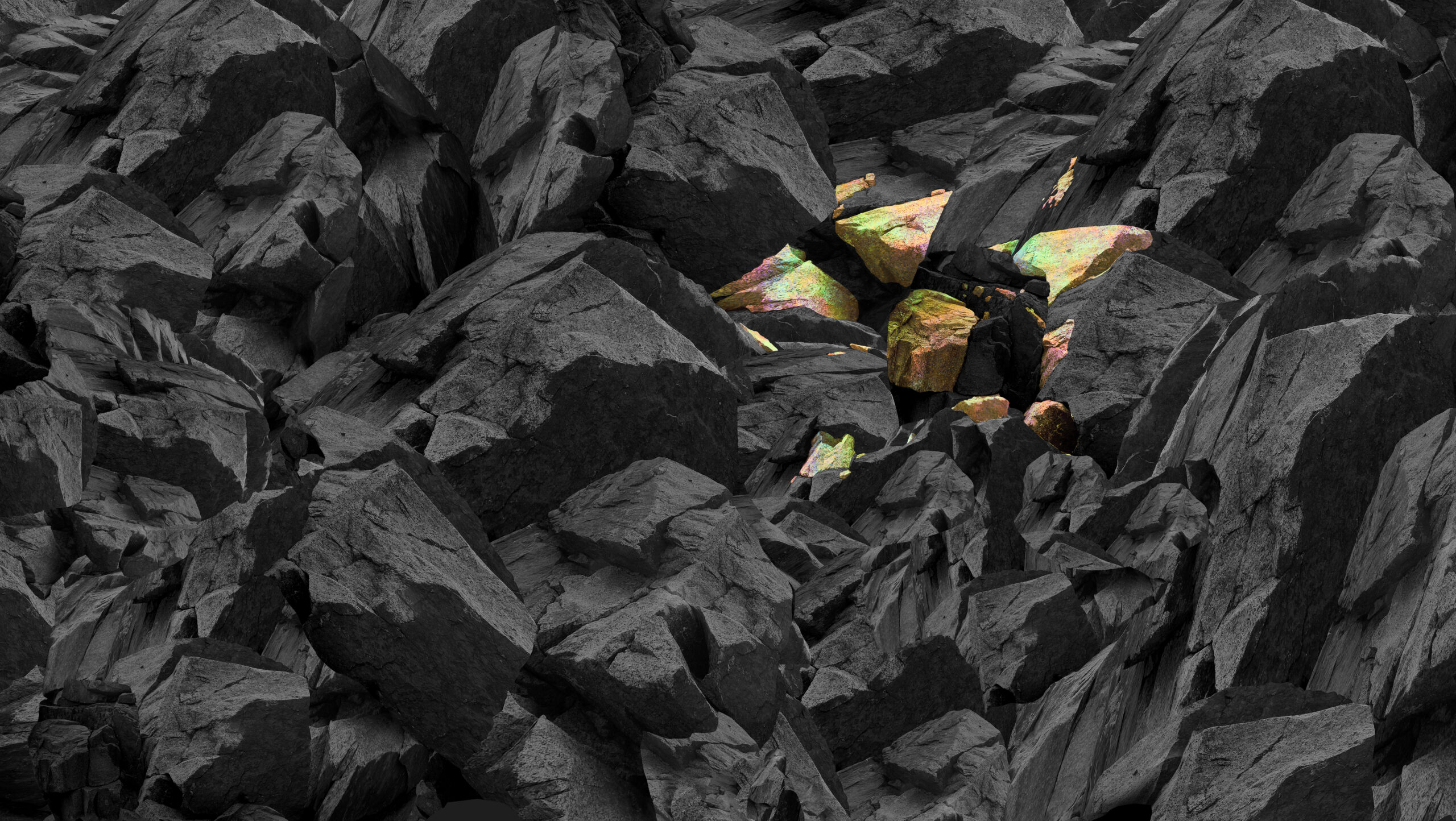
As the U.S. negotiates with Denmark over Greenland to further enhance its security, the question of Greenland’s rare-earth element deposits also arises.
Greenland has very large, unexplored deposits of rare earths, including neodymium, dysprosium, terbium, yttrium, and others, which are essential for permanent magnets used in electric vehicles, wind turbines, electronics, and defence systems at Kvanefjeld and Tanbreez. But due to harsh Arctic conditions, remoteness, poor infrastructure, and frequent weather-related disruptions, most of these minerals remain untapped, with very few operational mines.
So, while it has many critical and strategic minerals, which are often polymetallic, these are only beginning to attract international interest.
Tanzania, on the other hand, has rare earth elements, notably neodymium and praseodymium, which are used for permanent magnets and in technology, as well as gold, nickel, graphite, coal, Iron ore, copper, lithium, diamonds, and uranium.
Commercial mining in Tanzania is well established, with rare earth element (REE) production at an early but advancing stage, whereas Greenland has yet to begin commercial REE extraction. Tanzania also benefits from comparatively lower extraction costs and more developed infrastructure. Tanzania, therefore, plays a key role in diversifying global access to critical minerals, reducing dependence on China, which currently dominates much of the supply. While Greenland is strategic for the US as a missile defence location, Tanzania is more economically and supply-chain oriented. It can provide mineral access
In this way, Tanzania plays a crucial role in securing mineral inputs for electric vehicles (EVs), renewable energy infrastructure, and other high-tech sectors, while simultaneously attracting investment from emerging markets. The contrast between Greenland and Tanzania illustrates how different regions can contribute to global mineral security. Greenland represents a strategic, largely untapped frontier with profound geopolitical and military implications. At the same time, Tanzania offers an accessible, diversified, and operationally ready source of critical minerals capable of meeting the demands of a technology-driven global economy.
In recent years, the U.S. has increasingly recognised Tanzania’s strategic importance because of its critical mineral resources for technology and clean energy. As a result, it has pursued investment opportunities, technical partnerships, and joint ventures to diversify supply chains for key materials – such as rare earths, graphite, nickel, and lithium – away from China. This engagement remains primarily commercial and diplomatic, focusing on ensuring supply security, promoting responsible sourcing, and aligning regulatory frameworks. This attention can benefit Tanzania in the coming years by helping to build institutional capacity, attract long-term investment, and strengthen its regional economic position.