


How Does Breast Cancer Awareness Month Inspire Action in Tanzania?
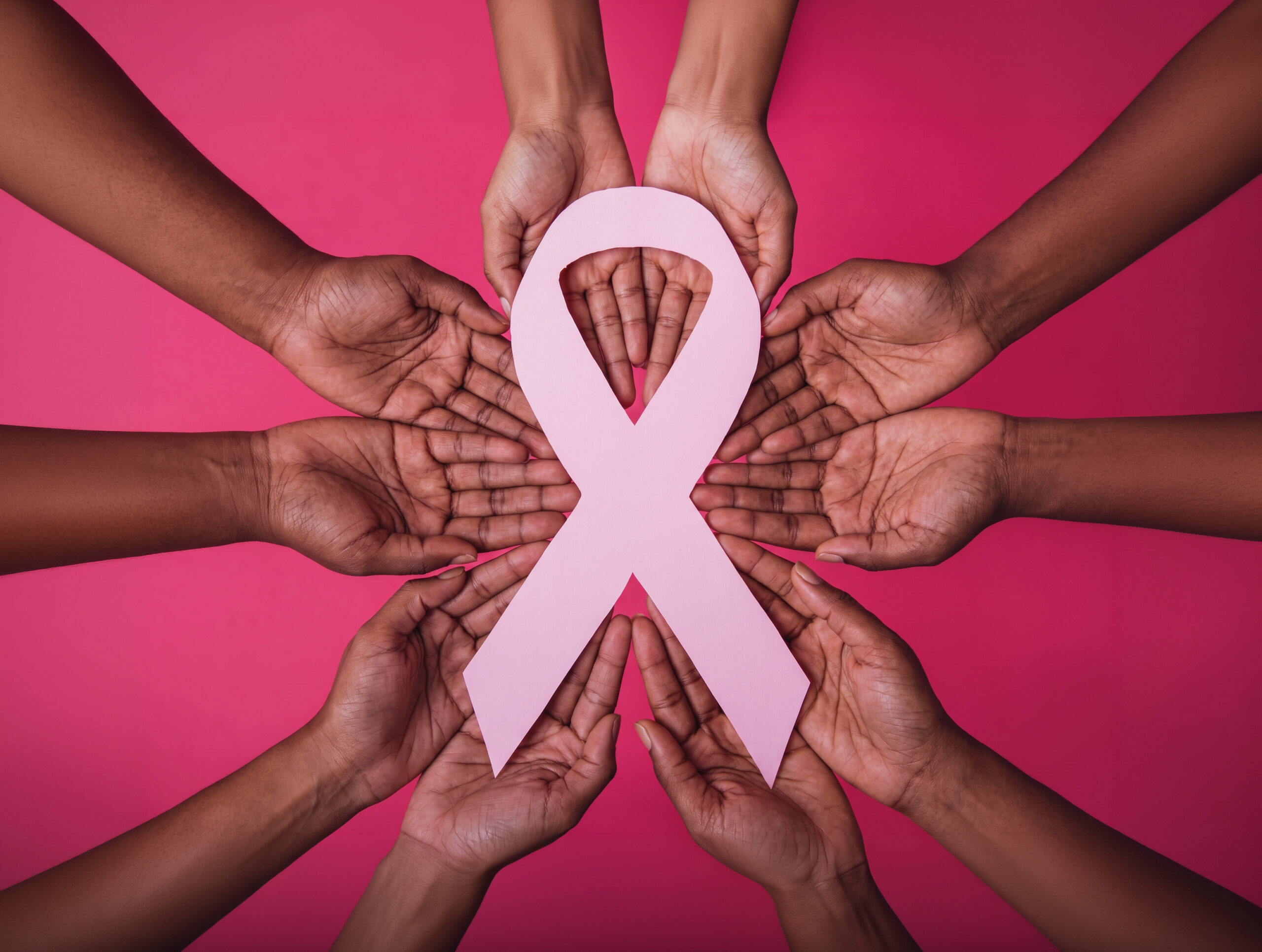
It’s officially Pink October, a month dedicated to raising awareness about breast cancer and promoting early detection.
According to the National Breast Cancer Foundation, Breast Cancer Awareness Month (BCAM) began in October 1985 as a campaign led by the American Cancer Society. In 1992, the pink ribbon emerged as a recognizable symbol of breast cancer awareness and fundraising. Since then, the campaign has grown into a global movement.
But what does an awareness month truly achieve? Its impact lies in the conversations it sparks, the knowledge it shares, and, most importantly, the actions it inspires.
The Foundation for Cancer Care in Tanzania highlights the significant burden of breast cancer in the country. The disease accounts for 14.4% of new cancer cases and is the second leading cause of cancer-related deaths among women. By 2030, new cases are projected to increase by 82%, while deaths are expected to rise by 80%. Approximately 80% of women are diagnosed at advanced stages (III or IV), partly due to limited screening services and barriers to timely diagnosis and treatment.
These figures reflect the urgent need to improve awareness and access to breast cancer care. According to Msoka et al. (2025), low breast cancer awareness and limited practice of breast self-examination (BSE) contribute to late-stage diagnosis. Timbenderana et al. (2024) also reported that, as of 2022, only 5% of women aged 15–49 in Tanzania had undergone breast cancer screening.
Together, these findings highlight the importance of educating people about breast cancer signs and symptoms, encouraging early detection and improving access to screening and diagnostic services.
Behind every statistic is a person, a family and a community whose life may never be the same. Many of us know someone who has battled cancer, cared for a loved one through treatment or lost someone to the disease. Breast cancer is not just a health statistic; it affects real people and the communities around them.
This is why Breast Cancer Awareness Month matters. It creates opportunities to make these conversations more visible, encouraging people to recognize unusual changes in their bodies, learn about breast cancer and seek medical advice promptly. While awareness alone cannot eliminate barriers to early detection, it helps people make informed decisions about their health. This must go hand in hand with access to appropriate screening, diagnosis and treatment.
This is where communication plays a vital role. At its heart, communication is about making important messages relatable enough to inspire action. Through storytelling, education and creative engagement, we can challenge misconceptions, simplify health information and encourage people to prioritize their well-being.
This conversation also connects to sustainability. Beyond environmental conservation, sustainability is fundamentally about people, their well-being and the future of our communities. Promoting health awareness and supporting those affected by breast cancer contribute to healthier, more informed and resilient communities. A sustainable future depends not only on the environment we protect but also on the people we empower and the communities we help thrive.
On Friday, 23 October, I’ll be wearing pink in solidarity with breast cancer warriors, survivors, their families and everyone whose life has been touched by the disease.
I invite you to join me. Wear pink, share credible information, encourage someone to seek medical advice or support an initiative that improves access to breast health services. If Friday doesn’t work for you, you can wear pink any other day in October.
The goal is not simply to wear pink. It is to turn awareness into action.
Because meaningful change does not happen through one gesture or one person. It happens when individual actions come together to create a collective effort towards healthier communities.