
Tanzania’s Energy Transition: Powering a Greener Future
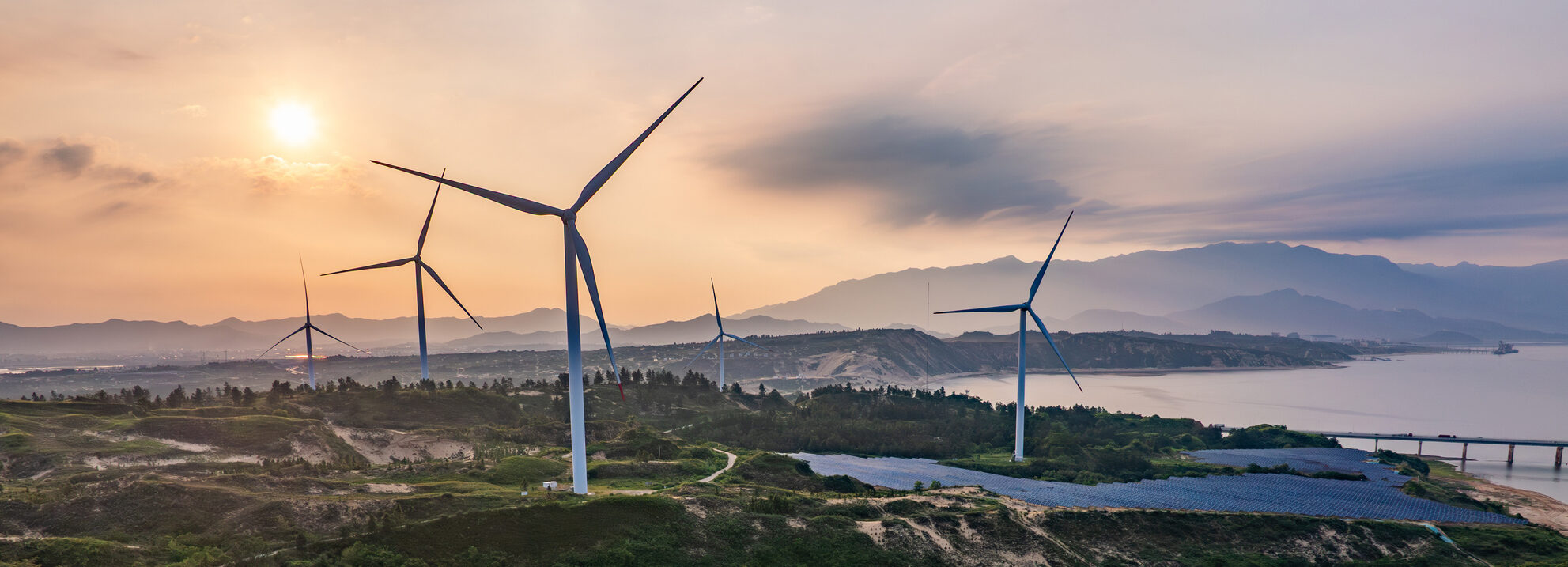
Tanzania’s energy transition is often presented as a climate story: a shift towards cleaner, more reliable and sustainable energy. But for Tanzania, it is about more than reducing emissions. It is about powering the country’s next phase of economic growth.
From factories in Dar es Salaam and Mwanza to farms in Morogoro and businesses in Dodoma and Arusha, reliable energy is key to productivity. Manufacturers need dependable electricity to keep machinery running, while small businesses need predictable energy costs. Hospitals, schools and digital enterprises also depend on reliable power. Tanzania’s growing energy capacity therefore represents a significant economic opportunity.
Tanzania already has a strong foundation to build on. According to the Energy and Water Utilities Regulatory Authority (EWURA), hydropower accounted for 64.77% of electricity generation in the financial year 2024/25, while natural gas contributed 34.68%. Solar, wind, and biomass currently contribute less.
Energy as the Foundation of Economic Growth
The opportunity is to move beyond electricity generation alone. Solar installations on farms can power irrigation, refrigeration and agricultural processing, while hydropower can support manufacturing and other energy-intensive industries. Solar systems and mini-grids can serve businesses where grid connections remain limited, and electric mobility can create demand for charging infrastructure, vehicle maintenance and new technical skills.
Tanzania’s energy transition should therefore be understood as part of its wider economic transformation. Clean, reliable energy can improve business productivity while creating new markets, jobs, and investment opportunities.
The country has significant potential in solar, wind, geothermal and other renewable technologies. EWURA’s longer-term projections envisage a more diversified electricity system, including substantial contributions from hydropower, wind, solar and geothermal energy.
This diversification matters as energy demand rises across manufacturing, transport, mining, agriculture, construction and digital businesses. At the same time, global companies are increasingly assessing the carbon intensity of their supply chains, while investors place greater emphasis on environmental performance. Reliable, increasingly low-carbon electricity could therefore strengthen Tanzania’s appeal as a destination for green investment.
Case Study: Julius Nyerere Hydropower Project
The Julius Nyerere Hydropower Project exemplifies the scale of Tanzania’s investment in electricity infrastructure. Located on the Rufiji River, the project is designed to add substantial generation capacity to the national system. Its significance extends beyond electricity generation: large-scale energy infrastructure can strengthen the power supply, support industrial activity, and lay a foundation for greater economic productivity.
However, communities living around such projects also need to see tangible benefits. Large infrastructure developments can affect land, livelihoods and local economic activity, making meaningful community engagement and opportunities for local participation essential.
The success of an energy project should therefore be measured not only by its megawatt output or contribution to the national grid, but also by whether communities can participate, earn income, develop businesses and benefit from investment.
Tanzania’s electricity system is expanding rapidly. EWURA reported installed electricity capacity of approximately 4,504.54 MW in September 2025, while electricity demand had reached 2,410.34 MW. The regulator also reported multiple power projects at different stages of development and financial closure, highlighting the scale of investment needed to meet future demand.
Clean Energy for Rural Tanzania
According to TANESCO, all 139 district headquarters and 100% of villages on mainland Tanzania had been connected to electricity. However, rural access remained lower than urban access.
For rural communities, energy access can have an immediate economic impact. Electricity can enable longer business hours and power refrigeration, irrigation, welding, water systems and digital services. It can also support small-scale manufacturing and agricultural processing, allowing communities to capture more value locally.
Decentralised solutions such as solar systems and mini-grids can complement the national grid, particularly where extending conventional infrastructure is more difficult or expensive.
Tanzania has also recognised the importance of cleaner household energy through its National Clean Cooking Strategy 2024–2034, which aims for 80% of Tanzanians to use clean cooking solutions by 2034. The strategy promotes alternatives including LPG, improved biomass technologies and electric cooking.
Clean cooking can therefore become more than an environmental intervention. It can create opportunities for businesses involved in manufacturing, distribution, financing and servicing clean cooking technologies.
A successful energy transition ultimately requires a balance between renewable energy expansion, affordability, industrialisation, job creation and inequality. Communities should have a voice in projects developed around them, local businesses should be able to participate in supply chains, and workers should have the skills needed for emerging industries.