


Inside Tanzania’s Push to Reel In Ordinary Investors into Capital Markets
For many Tanzanians, bonds, capital markets, and fixed-income instruments have largely existed in a world associated with banks, pension funds,
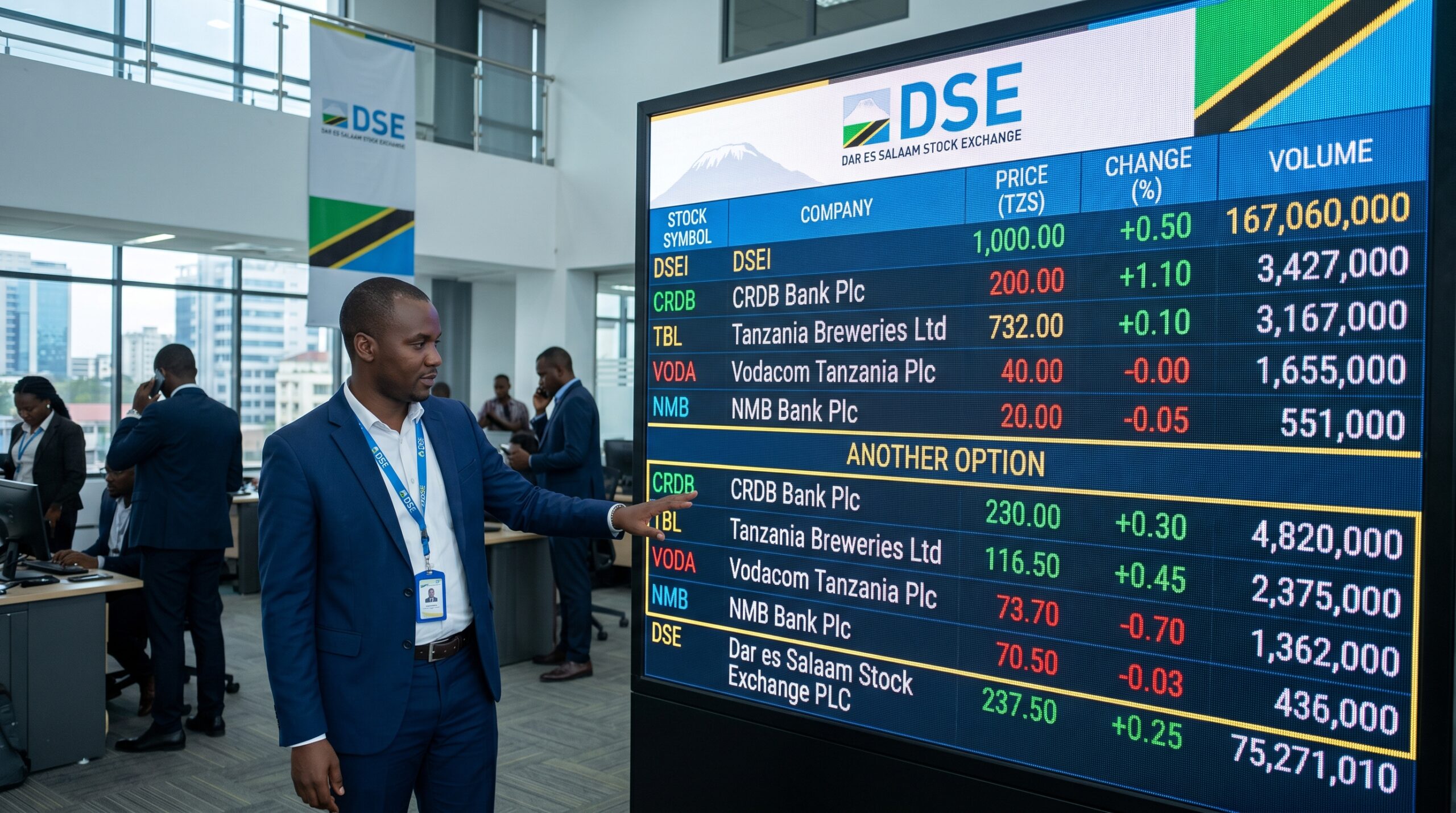
For many Tanzanians, bonds, capital markets, and fixed-income instruments have largely existed in a world associated with banks, pension funds, and institutional investors, far removed from everyday financial life. Why? Traditionally, Tanzanians have invested in land, livestock, or a small biashara. But that may be starting to change.
This week, financial services firm iTrust Finance launched a TZS 15 billion corporate bond, becoming the first broker and fund manager in the country to publicly issue such an instrument. Regulators and market participants say that this could help widen participation in Tanzania’s still-developing investment ecosystem.
The bond lasts four years and offers a 13 per cent annual return, with quarterly payments. It opened to investors on May 18 and will be available until June 12. The minimum investment is TZS 500,000, intended to make bond investing accessible to more people, not just big investors.
A Market Trying to Grow Beyond Banks
In much of East Africa, businesses still depend mostly on bank loans. This reliance has its drawbacks. Loans can be costly, not always easy to access, especially for smaller or growing businesses, and have short repayment times.
Corporate bonds provide companies with another way to raise money directly from investors, who, in turn, get fixed returns over time. This is common in more developed economies, but in Tanzania, it is still a new idea.
This effort is becoming more urgent. As Tanzania works to industrialise, build infrastructure, and support small businesses, leaders realise that banks alone cannot provide all the money the economy needs.
The Accessibility Question
The iTrust bond stands out not just because of who issued it, but also because of who it is meant for. In Africa, bond markets are usually seen as places for pension funds, insurance companies, and big investors. Ordinary people rarely take part, often because the minimum investment is high, and many do not know much about bonds.
iTrust seems to want to change this. By setting the minimum investment at TZS 500,000 and allowing people to sign up through their app, they are trying to make investing more open to everyone. Investors can join online, track their investments, and use mobile systems that work with local payment options.
Confidence, Regulation, and Trust
Expanding investment participation requires more than technology. It requires confidence. At the bond launch, regulators emphasised the importance of compliance, governance, and transparency in maintaining investor trust as Tanzania’s capital markets evolve. The CMSA has repeatedly stressed that market growth must be matched by stronger regulatory discipline and investor protections.
This careful approach is common in many developing markets, where new financial ideas spread faster when people trust them. For most everyday investors, bonds are still new compared to savings accounts, land, or informal groups. To attract first-time investors, the market needs to be reliable, open, and offer steady returns. In the end, the success of bonds like iTrust’s will depend as much on public trust as on financial results.
The Broader Financing Picture
The launch also comes at a time when Tanzania is actively seeking new ways to finance growth, particularly for small and medium-sized enterprises (SMEs). This week, the government also oversaw a TZS 40 billion financing partnership between NBC Bank and British International Investment to expand access to finance for small and medium-sized businesses. The deal reflects a broader recognition that access to capital remains one of the biggest constraints on private-sector growth in Tanzania.
Taken together, these changes show a bigger shift. Tanzania’s financial sector is slowly building a system in which businesses do not rely on a single source of funding and investors have more ways to grow their savings.
An Emerging Regional Trend
Across East Africa, governments are increasingly focused on domestic capital mobilisation. Kenya has long maintained a more active bond market, while Rwanda has pushed financial inclusion through capital market reforms and retail investment products. Tanzania is now accelerating its efforts to modernise financial participation and broaden investment culture.
The challenge, however, is scale. Deep capital markets require liquidity, strong institutions, consistent regulation, investor education, and public trust developed over years, not months.
That is why smaller issuances like this one matter. They act as market signals, not because they transform the system overnight, but because they slowly normalise participation in it.
The Bottom Line
The real significance of Tanzania’s first broker-issued corporate bond is not the TZS 15 billion being raised. For decades, access to investing in many African markets has remained narrow, concentrated, and intimidating to ordinary citizens. Tanzania is now cautiously testing whether capital markets can become more public-facing, digital, and inclusive.
The transition will not happen overnight, but if instruments like the iTrust bond succeed, they may help shift investing from being viewed as distant and elitist to something more accessible and, ultimately, more local. For developing capital markets, that cultural shift may matter just as much as the money itself.