


Rewriting the Tax Rulebook: What Tanzania’s 284 Reform Proposals Signal for the Economy
Tax reform is rarely incremental. It is typically political, technical, and consequential all at once. This week, the conversation around
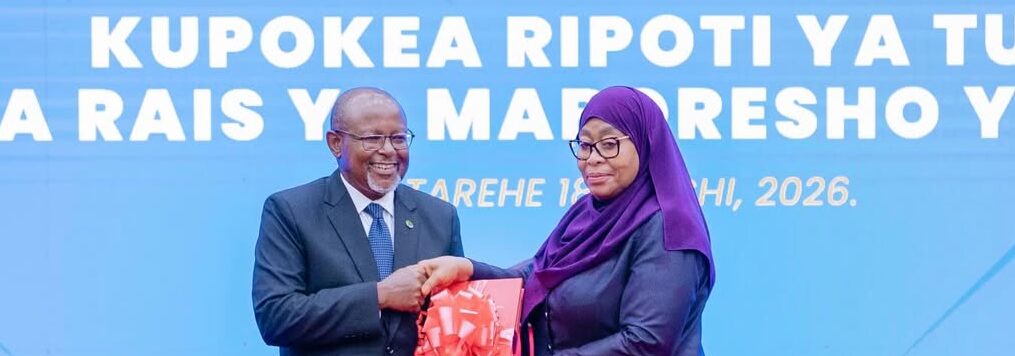
Tax reform is rarely incremental. It is typically political, technical, and consequential all at once. This week, the conversation around Tanzania’s fiscal future sharpened after the Tax Reform Commission proposed 284 changes to overhaul the country’s tax system. The breadth of the recommendations suggests something more than administrative adjustment. It points to a potential structural recalibration of how the state raises revenue, manages compliance, and interacts with taxpayers.
The sheer number of proposals is striking. Making 284 changes shows there are real concerns about how complex and inefficient the current system has become. The main question now is not if reform is needed, but whether it can balance raising revenue with keeping the economy competitive.
A System Under Strain
Tanzania’s tax system has grown more complicated over time due to numerous small changes rather than a full redesign. Different rates, exemptions, and sector rules have created a system that many businesses find difficult to follow.
Meanwhile, government spending is increasing in areas like infrastructure, energy, and social programmes. Raising more money at home is now essential, not optional. Tax reform is needed both to meet these demands and to keep Tanzania competitive.
The Commission’s proposals aim to do two things: widen the tax base and make the system simpler by reviewing exemptions and improving administration.
Broadening the Base Versus Raising the Burden
A major challenge in tax reform is determining whether changes will make the system fairer or add more pressure. Expanding the tax base can help by sharing the responsibility more evenly and ensuring all economic activity supports national growth.
But if reforms only increase tax obligations without easing compliance, they could push more businesses into the informal sector or scare off investors. Since much of Tanzania’s economy is informal, tax changes need to include more people without overwhelming them.
If these proposals simplify the system and make rates more consistent, they could make taxes more predictable. But if they add complexity or sudden changes, they could create more uncertainty.
Rationalising Exemptions and Incentives
Tax exemptions have been common in Tanzania, often used to boost key sectors or attract investors. But over time, these incentives can make the system more complicated and reduce the amount of tax collected.
One likely reform is to review exemptions and incentives, making sure they are focused and temporary. This matches global trends to limit special tax breaks and make fiscal policy more transparent.
For investors, the main concern is not just about losing incentives, but whether the tax system becomes more predictable. Often, having stable tax rules is more important than the size of the incentives.
Administrative Reform and Enforcement Posture
Beyond rates and exemptions, the reform appears to address administrative practice. Businesses consistently emphasise the importance of clear assessment processes, dispute resolution mechanisms, and consistent interpretation of tax law.
Improving how taxes are managed, using digital tools, and making appeals clearer can make compliance much easier, even if tax rates stay the same.
How the government enforces tax rules also matters. If it uses aggressive audits or changes rules after the fact, people may lose trust in the reforms. Clear guidelines and gradual changes can help build confidence.
Therefore, the Commission’s recommendations are not just about changing laws. They could also lead to changes in how institutions operate.
Sectoral Implications
For manufacturers and industrial companies, changes to VAT, import duties, or corporate taxes could impact their costs. Extractive industries need stable tax rules for long-term planning. For small and medium-sized businesses, simpler, more consistent rules could make compliance easier.
The informal sector is just as important. If tax reforms work with efforts to provide social protection and formalise businesses, taxes could help bring more people into the formal economy, not just raise money.
Balancing Revenue and Growth
Tanzania needs to build sustainable domestic revenue for its future. External financing is changing, and development goals are still high. A reformed tax system could help achieve long-term stability by involving more people and reducing losses.
However, the balance between revenue generation and economic growth must remain central. Tax systems shape investment decisions, capital allocation, and business expansion. Perceived unpredictability increases risk premiums.
The scale of the 284 proposals suggests that policymakers recognise the magnitude of the task. Whether these changes help Tanzania compete will depend on how they are rolled out and how well people are consulted and supported during the transition.
From Proposal to Policy
At this stage, the Commission’s recommendations are just proposals. Their final form will be determined through legislative drafting, parliamentary debate, and planning for implementation.
Several signals will be important to watch:
- Publication of clear explanatory memoranda detailing the rationale for each major change.
- Structured engagement with private sector stakeholders before enactment.
- Phased implementation timelines to avoid abrupt compliance shocks.
- Alignment with digital tax administration systems to reduce manual processes.
- Clear communication from the Tanzania Revenue Authority on enforcement transitions.
A Fiscal Turning Point
Major tax changes are a chance to reset the relationship between the government and the economy. If the system is seen as fair, predictable, and easy to follow, more people will comply. But if it feels confusing or too heavy, more people may try to avoid it.
Ultimately, tax reform is not solely about revenue. It is about the design of economic governance. If the reforms simplify complexity, harmonise treatment, and strengthen administrative transparency, they could mark a turning point in Tanzania’s fiscal architecture. If implementation falters or communication lags, the scale of reform may amplify uncertainty.
As the proposals move toward legislative consideration, the focus will shift from the number of changes to how well they fit together.