


New Social Protection Policy Brings Tanzania’s Informal Workers into the National Safety Net
For years, Tanzania’s informal sector has fuelled the economy without support from formal institutions. Farmers, food vendors, boda boda riders,
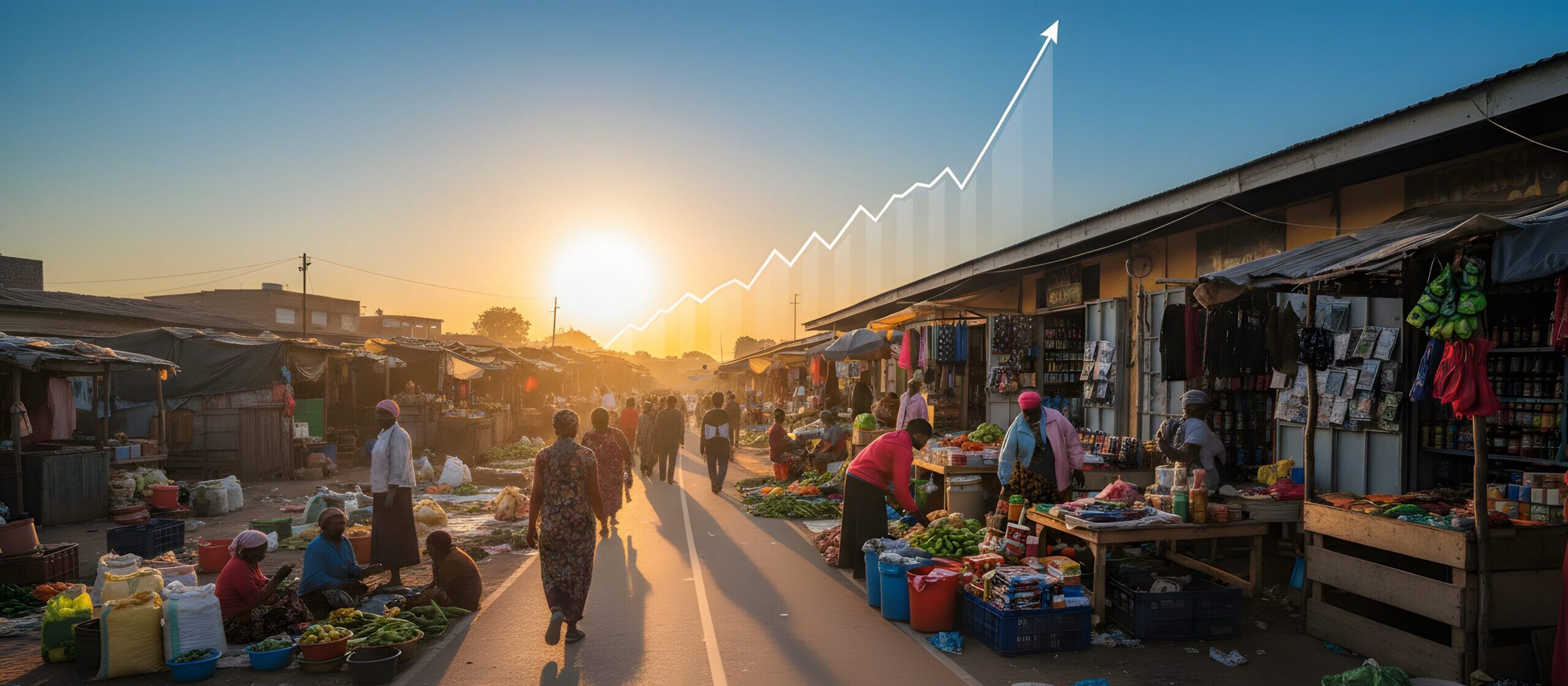
For years, Tanzania’s informal sector has fuelled the economy without support from formal institutions. Farmers, food vendors, boda boda riders, small-scale miners, domestic workers, and many self-employed citizens have earned their livelihoods and kep t local markets alive. However, most have lacked access to pensions, disability cover, or stable income protection. That has started to change.
On 9th–10th February 2026, the government formally launched the National Social Protection Policy of 2023 in Arusha, alongside the operational rollout of the National Informal Sector Scheme (NISS) under the National Social Security Fund (NSSF). For the first time, informal and self-employed workers can enrol
in a structured national social security framework. This is more than welfare expansion; it represents a structural shift in how Tanzania manages informality.
A Structural Labour Market Gap

Most people in Tanzania work outside formal employment. As a result, traditional social security systems have only covered a small part of workers, mainly those with salaries. Informal workers have had to manage illness, injury, income loss, and old age on their own, with little support from institutions.
The new framework aims to transform this. Through NISS, informal workers can voluntarily contribute towards retirement savings, disability benefits, survivor pensions, and income protection. It effectively extends aspects of formal employment security into sectors that have traditionally been excluded from national safety nets.
This reform is already underway. Government officials confirmed that more than 500,000 informal workers had registered prior to the official launch. The goal is to surpass five million participants by 2031, a level that would significantly alter labour protection coverage.
From Policy Intent to Implementation
Tanzania has previously discussed improving social protection, but what makes this moment different is that it is actually being implemented. The National Social Protection Policy of 2023 is now integrated into the country’s long-term development plan, connecting social risk management with broader economic objectives.
Another important aspect of the rollout is the financial cleanup. Officials stated that approximately 95 per cent of the TZS 4.46 trillion social security debt from older programmes has been settled. This action helps to foster trust in the system as its role expands.
All these changes show that social protection is now being seen as part of the country’s economic foundation, not just as a form of social help.
First, income security can help stabilise people’s spending. Informal workers are more vulnerable to economic shocks, but access to structured benefits could make household expenditure more consistent, thus influencing local demand and retail markets.
Second, involving informal workers in official systems can promote formalisation. Although joining the scheme is voluntary, it establishes records and connections between workers and the government. Over time, this relationship could facilitate people transitioning into more formal jobs.
Finally, digital tools will likely be crucial. Systems for gathering contributions must accommodate workers scattered across the country who have irregular incomes. When implemented effectively, this could enable more people to access financial services via mobile and digital platforms.
Nevertheless, the success of the plan relies on how effectively it is executed. Informal workers’ incomes fluctuate, so contribution schedules need to be flexible but sustainable. Whether people can afford to join will affect the number of sign-ups after the initial wave.
Fiscal and Institutional Balance
Although NISS is contributory, expansion carries indirect fiscal implications. Administrative costs, public awareness campaigns, and potential future benefit support require budgetary consideration. This is particularly relevant in a fiscal environment where Tanzania is increasing public expenditure and managing shifting external financing relationships.
Trust is just as important. Informal workers need to believe that their contributions will lead to real benefits. Clearing old social security debts helps restore trust, but lasting credibility will depend on transparent management and steady administration.
Social Protection as an Economic Strategy
This policy marks an important shift in Tanzania’s perception of informality. Instead of viewing informal workers as separate from the state, the new system seeks to incorporate them in a more organised manner.
Across Africa, governments are exploring new methods to safeguard informal workers. Tanzania’s approach will likely stand out for how it enrols people, coordinates institutions, and plans for long-term success.
The private sector also has a significant role. Insurance companies, digital payment services, and banks might discover new opportunities to help collect contributions and manage benefits. Employers within informal supply chains could also face new expectations regarding worker security.
What to Watch
The success of the reform will depend on whether enrolment continues to grow after the initial push, how effectively digital systems are utilised, and whether people with different incomes maintain their contributions. Early signs of inclusivity will be evidenced by participation rates among women, young people, and rural workers.
Ultimately, including informal workers in the national safety net represents a significant change. This week’s launch marks an important milestone. The true test will be whether the plan is implemented as intended and how much it enhances Tanzania’s economic resilience.